Summer Electric Scooter Safety Tips
*We may earn a commission for purchases made using our links. Please see our disclosure to learn more.
Summer is one of the best seasons to ride an electric scooter. Longer daylight hours, warmer mornings, and clear evening commutes make it easier to swap short car trips for a scooter ride. Whether you use your electric scooter for work, errands, campus travel, or weekend rides, summer can make riding more convenient and enjoyable.
But summer also brings safety risks that riders should not ignore. Hot pavement can affect tire pressure. High temperatures can reduce battery performance. Bright sunlight can make it harder for drivers to see you. Sudden thunderstorms can make roads slippery. More pedestrians, cyclists, tourists, and vehicles are also sharing the same streets, especially in busy US cities.
Electric scooter safety is not only about wearing a helmet. It is about preparing your scooter, dressing for the weather, understanding your route, protecting your battery, and riding defensively around cars, pedestrians, and other micromobility users. A few smart habits can help reduce your risk of crashes, falls, overheating, battery problems, and avoidable repair costs.
“Always wear a bicycle helmet when riding to protect your head.”
Source: U.S. Consumer Product Safety Commission, Micromobility Information Center
Key Takeaways
- Summer electric scooter safety starts before you ride. Check your tires, brakes, lights, throttle, folding mechanism, and battery before heading out.
- Heat can affect your scooter’s battery, tires, brakes, and electronics. Avoid leaving your scooter in direct sunlight for long periods, and never charge it while it is extremely hot.
- Protective gear still matters in summer. A helmet, closed-toe shoes, breathable clothing, gloves, and reflective details can improve comfort and safety.
- Ride defensively around cars, pedestrians, cyclists, and other scooters. Use bike lanes where allowed, follow local traffic laws, and avoid sudden movements.
- Plan for summer conditions. Carry water, check the weather, avoid wet roads when possible, and ride more carefully during sunset, glare, and crowded events.
Recommended Electric Scooter Safety Gear for Summer
Retrospec Dakota Adult Bike Helmet
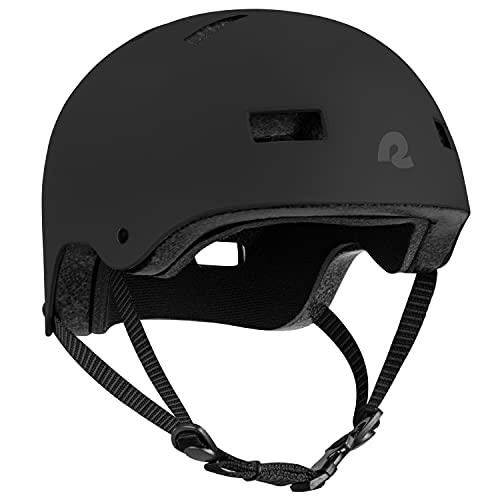


The Retrospec Dakota Adult & Youth Bike Helmet is a budget-friendly multi-sport helmet designed for electric scooter riders, cyclists, skaters, and BMX users. It features a durable ABS outer shell, shock-absorbing EPS foam, and 10 ventilation openings to help keep your head cooler during summer rides. The removable, washable padding also makes it easier to manage sweat and keep the helmet fresh after regular use.
For riders looking for affordable summer safety gear, the Retrospec Dakota Adult & Youth Bike Helmet is a practical helmet option for electric scooter use. Its ABS shell and EPS foam construction provide everyday impact protection, while the 10 vents help improve airflow during hot-weather rides. The removable washable padding is also useful for summer commuting, when sweat and heat can make helmet maintenance more important. It is not the most advanced helmet on the market, but for casual riders, students, and commuters who want simple multi-sport protection at an accessible price, it is a strong value pick.
- Affordable Protection: Priced around $29.99, making it a budget-friendly option for scooter riders.
- Multi-Sport Use: Suitable for electric scooters, biking, skating, and BMX.
- Ventilated Design: Includes 10 vents to help reduce heat buildup during summer rides.
- Basic Feature Set: Does not include built-in lights, MIPS technology, or smart safety features.
- May Feel Warm on Long Rides: Ventilation helps, but the ABS shell can still feel hot in very high temperatures.
- Fit Depends on Sizing: Riders need to measure carefully to choose the right size for secure protection.
Thousand Heritage 2.0 Adult Bike Helmet


The Thousand Heritage 2.0 Adult Bike Helmet is a stylish, low-profile commuter helmet designed for riders who want safety gear that looks good enough to wear every day. It is safety certified for biking, skateboarding, skating, roller skating, and e-scooter use, making it a strong option for electric scooter riders who want a versatile helmet for summer commuting.
The Thousand Heritage 2.0 Adult Bike Helmet is a premium helmet pick for electric scooter riders who want a safer summer ride without sacrificing style. Its low-profile commuter design makes it easy to wear with casual outfits, while the Dial Fit System helps create a more secure and comfortable fit. The built-in PopLock is especially useful for city riders who need to leave their helmet locked with their scooter or bike. Although it costs more than a basic helmet, its safety certification, stylish finish, and theft and accident replacement guarantees make it a strong option for daily commuters and urban riders.
- Stylish Commuter Design: Low-profile retro look makes it more appealing for everyday urban riders.
- PopLock Feature: Hidden lock channel allows riders to secure the helmet with a U-lock or chain lock.
- Replacement Guarantees: Backed by Thousand’s Anti-Theft and Accident Replacement Guarantees.
- Higher Price Point: Costs around $99.00, making it more expensive than basic scooter helmets.
- Limited Ventilation: The sleek design may not feel as airy as sportier helmets with larger vents.
- Style-Focused Build: Great for commuting, but not ideal for riders looking for advanced performance features.
Kryptonite Keeper 785 Bike Chain Lock


The Kryptonite Keeper 785 Bike Chain Lock is a heavy-duty anti-theft chain lock designed for bikes, scooters, motorcycles, gates, and other secured items. For electric scooter riders, it is a practical security accessory for summer commutes, campus parking, errands, and public stops where leaving a scooter unattended can be risky.
The Kryptonite Keeper 785 Bike Chain Lock is a useful summer safety accessory for electric scooter riders who need extra theft protection during errands, commutes, or quick stops. Its 7mm manganese steel chain links and disc-style cylinder offer stronger security than a basic cable lock, while the weather-resistant nylon sleeve helps reduce scratches on the scooter. Although it is heavier than some compact locks, it provides a solid mix of durability, portability, and everyday protection for riders parking in moderate-risk areas.
- Strong Chain Build: Made with 7mm manganese steel links for better resistance against cutting and leverage.
- Scooter-Friendly Protection: The nylon sleeve helps prevent scratches on the scooter frame or handlebar stem.
- KeySafe and ATPO Eligible: Can qualify for Kryptonite’s key replacement service and Anti-Theft Protection Offer after registration.
- Heavier Than Cable Locks: Weighs about 3.5 pounds, which may feel bulky for lightweight scooter riders.
- Moderate Security Rating: Rated 5/10 by Kryptonite, so it is better for short stops or moderate-risk areas.
- Key Lock Only: Riders need to carry a physical key and keep track of the spare.
Ascher USB Rechargeable Bike Light Set


The Ascher Ultra Bright USB Rechargeable Bike Light Set is an affordable visibility upgrade for electric scooter riders who ride in the early morning, evening, or after dark. The set includes a front LED headlight and a rear red taillight, helping riders see the road ahead while making them more visible to traffic behind them.
The Ascher Ultra Bright USB Rechargeable Bike Light Set is a simple but useful safety upgrade for electric scooter riders who want better visibility during summer rides. With a front headlight, rear taillight, 4 lighting modes, and USB rechargeable batteries, it helps riders stay more visible in early morning, evening, and low-light conditions. The lightweight design and tool-free silicone mounts make it easy to install on many scooters, while the IPX4 water-resistant rating offers basic protection against splashes and light rain. For riders looking for an affordable visibility accessory, this light set is a strong value pick.
- Improves Visibility: Includes both a front headlight and rear taillight for safer low-light riding.
- 4 Light Modes: Full brightness, half brightness, slow flashing, and fast flashing options make it adaptable for different conditions.
- Easy USB Charging: Rechargeable batteries remove the need for disposable batteries.
- Not Fully Waterproof: IPX4 water resistance can handle splashes and light rain, but it is not designed for heavy storms or submersion.
- Basic Mounting System: Silicone straps are convenient, but may not feel as secure as more heavy-duty mounts.
- Limited Premium Features: Does not include smart sensors, brake light functions, or automatic brightness adjustment.
Why Summer Riding Requires Extra Caution
Electric scooters are often marketed as simple, convenient transportation, but they are still small motorized vehicles. They accelerate quickly, have smaller wheels than bicycles, and can be affected by potholes, gravel, heat, water, and uneven pavement. In summer, these risks can become more noticeable.
Roads and sidewalks are busier. Drivers may be distracted by traffic, events, construction, or tourists. Pedestrians may step into bike lanes without looking. Cyclists and scooter riders may compete for the same narrow space. Warm weather also encourages longer rides, which means more time exposed to traffic, heat, and fatigue.
Summer weather can change quickly. A route that is dry in the morning may be slick by the afternoon. Painted road markings, metal plates, storm drains, and brick paths can become slippery after rain. Even if your scooter has water resistance, that does not mean it is built for deep puddles, heavy storms, or flooded streets.
The safest summer riders are the ones who treat every ride as a mix of traffic awareness, equipment care, and weather planning.
1. Inspect Your Scooter Before Every Ride
A quick pre-ride inspection can prevent many common problems. It does not need to take long. Before you ride, check the parts most likely to affect control, braking, and visibility.
Start with the tires. If your scooter has pneumatic tires, check that they feel firm and are inflated to the manufacturer’s recommended pressure. Underinflated tires can reduce range, make steering sluggish, and increase the risk of flats. Overinflated tires can reduce traction and make the ride harsher, especially on cracked pavement.
Next, test the brakes. Roll the scooter slowly and squeeze the brake levers to make sure they respond smoothly. If the brake feels loose, delayed, noisy, or weak, do not ignore it. Brake problems are especially dangerous in summer traffic, when riders may need to stop quickly for cars, pedestrians, pets, and cyclists.
Check the throttle and display. The scooter should accelerate smoothly without sticking or surging. Make sure the battery indicator is working and that you have enough charge for your route. If your scooter has different speed modes, confirm that it is not accidentally set to a high-performance mode before you begin.
Inspect the folding mechanism if your scooter folds. A loose stem or latch can make the scooter unstable. Make sure everything locks firmly into place. Also look at lights, reflectors, bell, horn, and turn signals if your scooter has them. Visibility is just as important during bright summer days as it is at night.
2. Wear a Helmet Even on Short Trips
Many scooter crashes happen close to home or during familiar rides. That is why a helmet should not be reserved only for long commutes or fast routes. A short ride to a store, gym, café, or train station can still involve potholes, distracted drivers, sudden stops, and uneven pavement.
Choose a helmet designed for cycling, skating, or micromobility use, and make sure it fits properly. It should sit level on your head, not tilted backward. The straps should form a “V” around your ears, and the chin strap should be snug enough that the helmet does not move around.
In summer, riders sometimes skip helmets because they feel hot. Instead of riding without one, look for a ventilated helmet that allows airflow. Some helmets also include built-in lights or reflective details, which can help with visibility during early morning and evening rides.
A helmet cannot prevent every injury, but it can reduce the severity of head impact in a fall or collision. For electric scooter riders, that protection is worth using every time.
3. Dress for Heat Without Sacrificing Safety
Summer clothing can create a safety tradeoff. Shorts, sandals, and loose outfits may feel comfortable, but they do not always protect you during a fall. You do not need to dress like a motorcycle rider for every scooter trip, but you should choose clothing that supports balance, visibility, and basic protection.
Closed-toe shoes are important. Avoid flip-flops, slides, and loose sandals. They can slip off the deck, reduce control, or make it harder to step down safely. Sneakers or lightweight athletic shoes are better options for most rides.
Wear breathable clothing that does not flap into the wheels or catch on the scooter. Loose pant legs, long skirts, dangling straps, and oversized bags can become hazards. Light-colored clothing can help with heat, while reflective details can improve visibility.
Gloves are also useful, especially for longer rides. They improve grip when your hands are sweaty and can protect your palms if you fall. Sunglasses can help reduce glare, but they should not be so dark that they make it hard to see shadows, potholes, or traffic signals.
4. Protect Your Scooter Battery from Extreme Heat
Electric scooter batteries do not like extreme temperatures. Summer heat can affect range, charging behavior, and long-term battery health. Leaving a scooter in a hot car, direct sun, or unventilated garage can expose the battery to temperatures higher than normal riding conditions.
Avoid charging your scooter immediately after a long ride in hot weather. Give the battery time to cool before plugging it in. Charging a hot battery can add stress and may increase safety risks, especially if the battery, charger, or wiring is damaged.
Use only the charger recommended by the scooter manufacturer. Cheap or incompatible chargers can create overheating risks. Charge your scooter on a hard, flat surface away from flammable materials. Do not charge it under a blanket, near paper, beside curtains, or in direct sunlight.
If you notice swelling, unusual heat, a burning smell, sparking, damaged wiring, or sudden battery behavior changes, stop using the scooter and contact the manufacturer or a qualified repair technician. Battery safety is not an area where riders should guess.
5. Watch Your Tire Pressure in Hot Weather
Tire pressure changes with temperature. When air heats up, pressure can rise. When tires are underinflated, they can heat up faster during riding. Both situations can affect comfort, traction, and safety.
If your scooter uses pneumatic tires, check pressure regularly during summer. Follow the recommended PSI in your owner’s manual or on the tire sidewall if applicable. Do not rely only on squeezing the tire with your hand, because scooter tires are small and can feel firm even when they are not properly inflated.
Heat can also make worn tires more vulnerable. Inspect the tread and sidewalls. Look for cracks, bald spots, embedded glass, thorns, or bulges. A tire failure at scooter speed can throw off your balance quickly.
Solid tires do not need inflation, but they still need inspection. Look for flat spots, separation, or damage. Solid tires can also provide less cushioning, so slow down on rough pavement, expansion joints, brick paths, and broken sidewalks.
6. Slow Down on Hot, Busy, or Uneven Roads
Summer conditions can tempt riders to go faster, especially when roads are dry and visibility is good. But speed reduces your reaction time and makes small obstacles more dangerous. On an electric scooter, even a shallow pothole, loose gravel, or raised pavement edge can cause a fall.
Reduce speed in crowded areas, near intersections, around driveways, and when passing pedestrians. Slow down before turns instead of braking hard in the middle of a turn. Keep both hands on the handlebars unless signaling.
Be especially cautious on roads with construction. Summer is roadwork season in many US cities. Construction zones often include temporary plates, gravel, uneven pavement, cones, narrowed lanes, and distracted drivers. If a road looks rough or unpredictable, choose a calmer route.
Remember that advertised scooter speed is not the same as safe riding speed. A scooter that can reach 20 mph or more may still need to be ridden much slower in traffic, crowds, heat, or poor pavement conditions.
7. Ride Defensively Around Cars
Many drivers are still not used to sharing the road with electric scooters. Some may misjudge your speed. Others may not see you at all, especially near intersections, parking lots, and driveways.
Assume drivers might turn across your path. Watch for car doors opening, vehicles pulling out, and drivers making right turns. Avoid riding in blind spots, especially beside buses, trucks, vans, and SUVs.
Make your movements predictable. Do not weave between cars. Signal turns when possible. Use bike lanes or designated riding areas where local rules allow or require them. If you must ride on the road, keep a stable line and avoid sudden swerving.
At intersections, make eye contact with drivers when possible, but do not rely on it. A driver may appear to look at you and still fail to register your presence. Slow down and prepare to stop.
8. Be Careful Around Pedestrians
Summer brings more pedestrians outside, including tourists, children, dog walkers, runners, and people leaving events. Electric scooters can feel quiet and quick, which means pedestrians may not hear you approaching.
If sidewalk riding is legal in your area, ride slowly and give pedestrians plenty of space. Use a bell or polite verbal warning before passing. Do not pass too closely, and never assume someone will walk in a straight line. Children and pets can move suddenly.
Avoid riding fast near restaurant patios, beach areas, parks, campuses, and shopping districts. These places often have unpredictable foot traffic. In crowded areas, it may be safer and more respectful to walk your scooter.
Pedestrian safety is also part of rider safety. A sudden attempt to avoid a pedestrian can send you into traffic, a curb, or another rider.
9. Stay Visible in Bright Sun and Low Light
Visibility is not only a nighttime issue. In summer, bright sunlight and glare can make it harder for drivers to see scooter riders. Early morning and late afternoon sun can shine directly into drivers’ eyes. Shadows from trees, buildings, and parked cars can also hide riders.
Use lights during the day if your scooter has them. A white front light and red rear light can make you easier to notice. Reflective clothing, ankle bands, backpack strips, or helmet stickers can also help.
Avoid wearing all dark clothing at dusk or night. If you ride after sunset, make sure your lights are charged and working. Do not depend only on streetlights. Some neighborhoods, campuses, and suburban roads have poor lighting.
If glare is intense, slow down. You may not see potholes, debris, or turning vehicles as early as usual.
10. Check the Weather Before You Ride
Summer weather can shift quickly. A sunny morning can turn into a stormy afternoon. Before riding, check the forecast for rain, thunderstorms, heat advisories, and high winds.
Rain can reduce traction and braking performance. It can also hide potholes and create puddles that may be deeper than they look. Even if your scooter has an IP rating, water resistance has limits. Riding through standing water can damage electronics, bearings, brakes, or the battery compartment.
Avoid riding during lightning, heavy rain, flash flooding, or strong winds. Wind can push a scooter off line, especially on bridges, open roads, waterfront paths, and downhill sections.
If you get caught in light rain, slow down, avoid sharp turns, and brake earlier than usual. After the ride, dry the scooter, inspect it, and avoid charging until it is fully dry and safe to plug in.
11. Hydrate and Avoid Heat Exhaustion
Scooter riding may not feel as physically demanding as cycling, but summer heat can still affect your body. Sun exposure, hot pavement, traffic stress, and long rides can lead to dehydration or heat exhaustion.
Drink water before riding and carry water for longer trips. Avoid pushing through dizziness, headache, nausea, weakness, or confusion. These can be signs that your body is overheating.
Plan routes with shade when possible. Take breaks during very hot weather. If you are commuting, consider riding earlier in the morning or later in the evening instead of during peak afternoon heat.
Heat can also affect decision-making. A tired, overheated rider may react slower, brake later, or take more risks. Staying hydrated is not only about comfort. It is part of safe riding.
12. Avoid Riding Under the Influence
Summer events, concerts, barbecues, festivals, and nights out can make scooters seem like an easy way to get home. But riding under the influence of alcohol or drugs is dangerous. It affects balance, reaction time, judgment, and coordination.
Electric scooters require constant small adjustments. You need to scan traffic, avoid obstacles, brake smoothly, and make quick decisions. Impairment makes all of that harder.
In some places, riders may also face legal consequences for operating an electric scooter while impaired. Rules vary by state and city, but the safety advice is simple: if you have been drinking or using substances, do not ride.
Use a rideshare service, public transportation, a designated driver, or walk the scooter instead.
13. Know Your Local Electric Scooter Laws
Electric scooter laws vary widely across the United States. Rules may differ by state, city, campus, park, or neighborhood. Some areas allow scooters in bike lanes but not on sidewalks. Others set speed limits, age limits, helmet requirements, parking rules, or restrictions on where scooters can be used.
Before riding in a new area, check local rules. This is especially important during summer travel, when riders may bring scooters to beach towns, vacation rentals, college campuses, tourist districts, or city centers.
Rental scooters may also have geofenced slow zones, no-ride areas, or parking rules in the app. Privately owned scooters may not be allowed everywhere rental scooters are allowed.
Following local laws is not just about avoiding fines. These rules are often designed around traffic patterns, pedestrian density, and local crash risks.
14. Carry the Right Summer Riding Essentials
A few small items can make summer scooter rides safer and more comfortable. You do not need to carry a full repair kit for every short trip, but longer rides deserve more preparation.
Useful summer scooter essentials include a helmet, water bottle, phone, compact lock, tire pump if you use pneumatic tires, small multitool, sunglasses, reflective gear, and a portable light if you may ride home after dark.
A phone mount can help with navigation, but do not interact with your phone while riding. Set your route before you start. If you need to change directions, pull over safely.
For longer commutes, consider carrying a small first-aid kit, portable charger, and backup plan in case your scooter loses power. In extreme heat, it is better to be slightly overprepared than stranded far from home.
15. Park Responsibly and Protect Your Scooter
Summer crowds make scooter parking more important. Poorly parked scooters can block sidewalks, ramps, doorways, bike racks, driveways, and building entrances. This creates hazards for pedestrians, wheelchair users, parents with strollers, and other riders.
Park only where allowed. Keep the scooter upright and out of the main walking path. Use designated scooter or bike parking areas when available. Do not block curb ramps or emergency access.
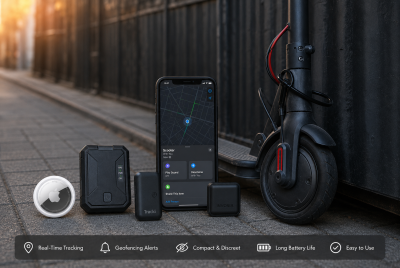
If you own your scooter, use a strong lock and secure it to an approved fixed object. Summer theft risk can increase in busy public areas. Consider a secondary lock or tracker if you regularly park outside.
Never leave your scooter baking in direct sunlight for long periods if you can avoid it. Shade can help protect the battery, display, grips, and tires.
16. Practice Before Riding in Traffic
If you are new to electric scooters, practice in a quiet area before riding in city traffic. Learn how your scooter accelerates, brakes, turns, and handles bumps. Practice emergency stops at low speed. Get comfortable looking over your shoulder without swerving.
Summer often brings new riders onto the road. Some are students, tourists, or commuters trying scooters for the first time. Confidence is good, but overconfidence is risky.
Do not start with the fastest mode. Use beginner or eco mode until you understand the scooter’s handling. Gradually increase speed only when you can control the scooter smoothly.
A scooter may look simple, but every model feels different. Wheel size, deck height, handlebar width, brake type, motor power, and suspension all affect the ride.
17. Ride More Carefully at Night
Summer nights are popular for scooter rides, but nighttime riding adds risk. Drivers may be tired or impaired. Visibility drops. Potholes, debris, and uneven pavement are harder to see. Pedestrians may step into the road after events or nightlife activities.
Use front and rear lights. Add reflective gear if possible. Ride slower than you would during the day, and avoid poorly lit streets when you can.
Do not assume drivers can see you just because your scooter has a small light. Many scooter lights are low to the ground and may not stand out in traffic. Extra visibility helps.
If your route includes busy roads, construction zones, or areas without bike lanes, consider choosing a safer alternative or using another form of transportation at night.
18. Keep Your Scooter Clean and Dry
Dust, sand, sweat, sunscreen, and road grime can build up quickly in summer. If you ride near beaches, parks, or construction areas, your scooter may collect debris that affects brakes, wheels, and folding parts.
Wipe down your scooter regularly with a dry or slightly damp cloth. Do not spray it directly with a hose unless the manufacturer says it is safe. Pay attention to the deck, brake area, wheels, lights, and charging port.
If you ride after rain, dry the scooter and inspect it before charging. Make sure the charging port is clean and dry. Water and electricity are a dangerous combination.
Regular cleaning also helps you spot problems early, such as loose screws, cracked parts, worn tires, or damaged cables.
Conclusion: A Safer Summer Ride Starts with Better Habits
Electric scooters can make summer travel easier, cheaper, and more enjoyable. They are useful for short commutes, errands, campus rides, public transit connections, and weekend exploring. But summer riding comes with real risks, from heat and glare to crowded streets, battery stress, and sudden storms.
The good news is that many risks can be reduced with simple habits. Wear a helmet. Check your scooter before riding. Watch your speed. Stay visible. Protect your battery from extreme heat. Avoid riding in heavy rain or under the influence. Follow local laws and respect pedestrians.
A safe scooter ride is not about being overly cautious. It is about being prepared enough to enjoy the ride with confidence. When you understand how summer conditions affect both you and your scooter, every trip becomes smoother, smarter, and safer.
FAQs
1. Can I ride my electric scooter in very hot weather?
Yes, you can ride in hot weather, but you should be careful. Extreme heat can affect your scooter’s battery, tires, brakes, and electronics. Avoid leaving the scooter in direct sunlight for long periods, and let the battery cool before charging after a hot ride. You should also protect yourself by drinking water, wearing breathable clothing, and avoiding long rides during peak afternoon heat.
2. Is it safe to charge an electric scooter after riding in the sun?
It is better to let the scooter cool down first. Charging a hot battery can add stress and may increase safety risks, especially if the charger or battery is damaged. Park the scooter in a shaded, ventilated area and wait until it is no longer hot to the touch before plugging it in. Always use the manufacturer-recommended charger.
3. What should I wear when riding an electric scooter in summer?
Wear a properly fitted helmet, closed-toe shoes, and breathable clothing that does not interfere with the wheels or handlebars. Reflective details are helpful, especially during early morning, evening, or nighttime rides. Avoid flip-flops, loose sandals, and clothing with dangling straps because they can reduce control or become caught while riding.
4. Can electric scooters be ridden in summer rain?
Some electric scooters have water resistance, but that does not mean they are safe for heavy rain, deep puddles, or flooded streets. Wet roads reduce traction and increase braking distance. If you get caught in light rain, slow down, avoid sharp turns, and brake early. After riding, dry the scooter and make sure the charging port is completely dry before charging.
5. How can I make my electric scooter battery last longer in summer?
Avoid extreme heat, charge with the correct charger, do not leave the scooter in direct sun for long periods, and let the battery cool before charging. Store the scooter indoors or in a shaded area when possible. Riding in eco mode, keeping tires properly inflated, and avoiding unnecessary hard acceleration can also help improve range and reduce battery strain.