KEQ Electric Scooter: Complete Guide
*We may earn a commission for purchases made using our links. Please see our disclosure to learn more.
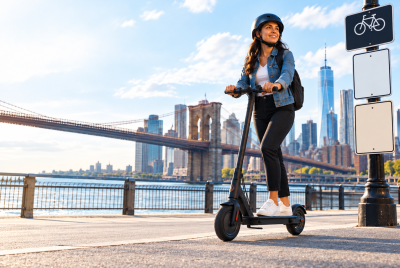
Urban transportation continues to evolve, and electric scooters have emerged as a practical solution for daily commuting. Among the growing number of brands entering the market, KEQ has positioned itself as a manufacturer focused on delivering feature-rich electric scooters designed specifically for adult commuters. These scooters combine performance specifications with convenience features, creating transportation options that aim to address the needs of modern city dwellers.
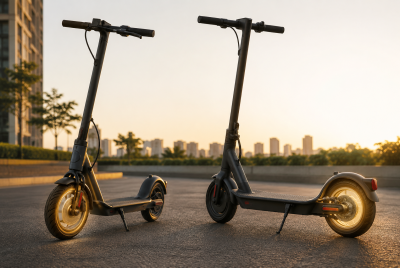
The KEQ brand offers multiple models with varying power outputs and capabilities, from 350W entry-level options to 500W performance variants. These scooters typically include features like app connectivity, dual suspension systems, and foldable designs that prioritize both functionality and portability. Whether navigating city streets during rush hour or cruising through campus environments, KEQ scooters present themselves as versatile transportation tools that balance speed, range, and comfort.
“With a powerful motor and top speeds of up to 21 mph, this scooter is built for city cruising. It features dual suspension and military-grade damping for 100% vibration reduction — even on cobblestone streets.”
— NXS Media Wire, July 2025
Key Takeaways
- KEQ scooters offer motor options ranging from 350W to 500W, with top speeds between 19-22 mph
- Battery range typically extends from 21 to 30 miles per charge depending on the model and riding conditions
- Most KEQ models fold in approximately 3 seconds and weigh around 31 pounds for easy portability
- Dual braking systems combine drum brakes with EABS anti-lock technology for enhanced safety
- Smartphone app integration enables GPS tracking, speed mode adjustment, and anti-theft features
- Solid honeycomb tires eliminate puncture concerns while maintaining shock absorption capabilities
- Weight capacity reaches up to 264 pounds on most models with aircraft-grade aluminum construction
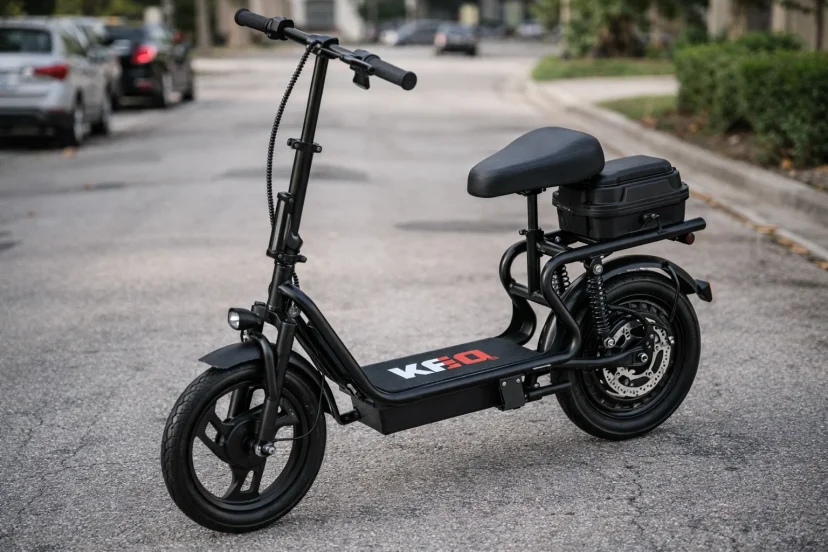
KEQ Electric Scooter Adults with Seat
The KEQ Electric Scooter stands out as a feature-packed electric scooter designed for everyday urban riders. Combining a seated riding option, long-range battery, and UL2272 certification, it offers a balance of performance, safety, and comfort. The 14-inch tires and dual shock absorbers provide stability on uneven roads, while the foldable frame makes storage easier.
Understanding KEQ Electric Scooter Specifications
The technical specifications of KEQ scooters reveal thoughtful engineering decisions aimed at balancing performance with practical considerations. The motor power selection between 350W and 500W creates distinct performance tiers. The 350W variant provides sufficient power for flat terrain and moderate hills, delivering smooth acceleration for urban environments. The 500W option increases climbing capability and acceleration, better suited for routes with steep inclines or riders who prefer more responsive power delivery.
Battery capacity in KEQ scooters typically centers around 36V/7.8Ah configurations, with higher-end models incorporating larger capacity batteries to achieve the advertised 30-mile range. Real-world range varies significantly based on rider weight, terrain, speed selection, and weather conditions. Most riders can expect to achieve approximately 60-70% of the advertised maximum range under normal mixed-use conditions.
The choice of solid honeycomb tires represents a design philosophy that prioritizes maintenance convenience over ride quality. Unlike pneumatic tires that require inflation and can suffer punctures, honeycomb tires eliminate these concerns entirely. The trade-off comes in ride harshness on very rough surfaces, though KEQ’s dual suspension system works to compensate for this limitation. The 3D shock absorption technology incorporates both front and rear suspension components, with some models featuring hydraulic damping for improved vibration isolation.
Motor Performance and Power Delivery
KEQ’s brushless DC motors provide reliable power delivery with nominal ratings of 350W and peak outputs reaching 500W. The brushless motor design offers several advantages over traditional brushed motors, including reduced maintenance requirements, improved efficiency, and longer operational lifespan. The motor controller regulates power delivery based on throttle input, battery charge level, and selected riding mode.
Hill climbing performance varies between motor configurations. The 350W version handles inclines up to approximately 15 degrees under optimal conditions, while the 500W variant extends this capability to around 20 degrees. Rider weight significantly impacts climbing performance, with lighter riders experiencing better results on steep grades. The motor’s torque characteristics provide strong initial acceleration from standstill, useful when navigating stop-and-go traffic or frequently stopping for traffic signals.
Thermal management becomes relevant during extended high-power operation. The motor controller monitors temperature and may reduce power output if thermal limits are approached, protecting the motor and electronics from heat damage. This typically occurs during sustained hill climbing or extended operation at maximum speed in hot weather conditions.
Battery Technology and Range Considerations
The lithium-ion battery packs used in KEQ scooters employ UL2272-certified cells, an important safety certification that validates the battery management system, charging circuitry, and overall electrical safety. This certification process includes extensive testing for electrical, fire, and mechanical hazards, providing assurance that the scooter meets recognized safety standards.
Charging characteristics follow typical lithium-ion profiles, with full charging requiring approximately 4-6 hours depending on the specific model and battery capacity. The battery management system protects against overcharging, over-discharging, and short circuits, extending battery lifespan and ensuring safe operation. Most KEQ models include a charging indicator showing red during active charging and green when complete.
Battery longevity depends heavily on usage patterns and maintenance practices. Lithium-ion batteries perform best when kept between 20-80% state of charge for regular use, with occasional full charge cycles to balance cell voltages. Extreme temperatures negatively impact both performance and longevity—cold weather reduces available capacity temporarily, while high heat exposure can permanently degrade cells. Proper storage during periods of non-use involves charging to approximately 50-60% and storing in moderate temperature environments.
Range anxiety concerns can be mitigated through realistic expectations and route planning. The smartphone app provides real-time battery percentage and estimated remaining range based on current riding conditions. Understanding that aggressive acceleration, high speeds, and hill climbing all significantly reduce range helps riders plan appropriately for their daily commute distances.
Safety Features and Braking Systems
KEQ’s dual braking implementation combines multiple braking technologies for enhanced safety. The EABS (Electronic Anti-lock Braking System) provides regenerative braking on the motor, converting kinetic energy back into electrical charge while providing smooth, controlled deceleration. This system prevents rear wheel lockup during aggressive braking, maintaining stability and control. The mechanical drum brake on the rear wheel delivers additional stopping power and serves as a backup if the electronic system experiences issues.
The combined braking system reportedly reduces stopping distances by 25% compared to single-brake configurations. Effective braking requires understanding how both systems work together. Light braking primarily engages the electronic system, providing gradual deceleration without mechanical wear. Moderate to heavy braking activates both systems simultaneously, delivering maximum stopping power when needed. Riders should practice emergency braking in safe environments to understand their scooter’s capabilities and develop appropriate reaction instincts.
The lighting system consists of a front headlight rated at 20 lumens, brake-activated taillight, and side reflectors. While functional, the headlight brightness may prove insufficient for high-speed riding in complete darkness. Additional auxiliary lighting can enhance visibility and safety for riders who frequently travel during dawn, dusk, or nighttime hours. Reflective clothing or accessories further improves visibility to other road users.
IPX4 waterproofing protects internal electronics from water splashing from any direction, meaning the scooter can handle light rain but should not be ridden through deep puddles or heavy downpours. Water ingress into electrical components can cause immediate failure or gradual corrosion over time, potentially creating safety hazards. After riding in wet conditions, allowing the scooter to dry fully before storage or charging reduces moisture-related risks.
Portability and Design Considerations
The 3-second folding mechanism represents a key convenience feature for multimodal commuters. The folding process typically involves releasing a lever at the stem base and folding the handlebar assembly down onto the deck. The locking mechanism must securely engage to prevent accidental folding during riding, which could result in serious injury. Regular inspection of the folding mechanism and locking components ensures continued reliable operation.
At approximately 31 pounds for the basic models, KEQ scooters fall into a moderate weight category. This weight makes them manageable for most adults to carry for short distances, such as up stairs or onto public transportation. However, frequent carrying over longer distances can become fatiguing. The folded dimensions of roughly 42x16x18 inches allow storage in car trunks, under desks, or in apartment closets.
The aircraft-grade aluminum frame construction balances strength with weight considerations. Aluminum naturally resists corrosion better than steel, important for scooters used in various weather conditions. The frame design distributes stress across the structure, with the deck providing the primary load-bearing surface. The maximum weight capacity of 264 pounds includes not only the rider but also any cargo, bags, or accessories attached to the scooter.
Handlebar height adjustment accommodates riders of different statures, though the range of adjustment may not suit very tall or very short individuals comfortably. Proper handlebar height positions the grips at approximately waist level when standing upright, allowing comfortable hand positioning without excessive reaching or hunching.
Smart Features and App Integration
The smartphone app connectivity via Bluetooth opens various customization and monitoring capabilities. The three-speed mode selection allows riders to optimize performance for different situations—Beginner mode for learning or crowded areas, Eco mode for maximizing range, and Sport mode for maximum performance. Some riders appreciate the ability to limit top speed, particularly useful when lending the scooter to less experienced users or when local regulations require speed restrictions.
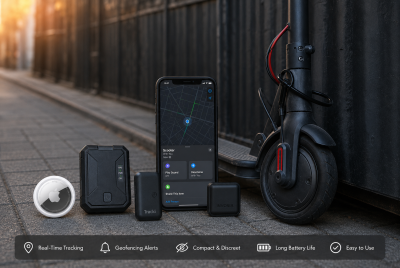
GPS tracking functionality serves multiple purposes beyond theft recovery. Route tracking allows riders to monitor their travel patterns, distances covered, and favorite routes. The anti-theft alarm activates motion sensors when the scooter is locked, alerting the owner through the app if unauthorized movement is detected. While not a comprehensive security system, this feature adds a layer of deterrence against opportunistic theft.
Cruise control activation through the app or handlebar controls maintains constant speed without continuous throttle pressure, reducing hand fatigue during longer rides. This feature works most effectively on flat terrain at moderate speeds. On hills or in variable traffic conditions, manual throttle control provides better responsiveness to changing conditions.
Firmware updates delivered through the app can improve performance, add features, or address identified issues. Keeping the scooter’s firmware current ensures optimal operation and access to the latest enhancements. The update process typically requires the scooter to remain powered on and connected to the app for several minutes while new firmware is transferred and installed.
Maintenance Requirements and Longevity
Electric scooters require less maintenance than gasoline-powered vehicles but aren’t entirely maintenance-free. Regular inspection of key components helps identify developing issues before they become serious problems. The folding mechanism, handlebar stem, and deck connections should be checked periodically for looseness or wear. Tightening fasteners to proper torque specifications prevents rattling and potential failure.
The solid tire design eliminates puncture repair and inflation concerns, but tires still experience wear over time. The honeycomb structure can develop cracks or chunks missing from impacts with sharp edges or severe potholes. Monitoring tire condition and replacing worn tires maintains safe handling characteristics and ride quality.
Brake maintenance focuses primarily on the mechanical drum brake, which uses friction materials that gradually wear with use. Electronic braking components rarely require attention beyond ensuring clean electrical connections. Brake adjustment or replacement becomes necessary when braking performance noticeably degrades or when inspection reveals worn brake shoes.
Battery maintenance primarily involves proper charging practices and avoiding environmental extremes. Keeping the battery charged during storage prevents deep discharge damage. If storing the scooter for extended periods, charging every few months maintains battery health. Signs of battery degradation include reduced range, longer charging times, or inability to reach full charge levels. Battery replacement eventually becomes necessary, typically after several years of regular use depending on charge cycles and usage patterns.
The electrical system’s sealed components generally prove reliable, though water exposure or physical damage can cause failures. Keeping connections clean and dry prevents corrosion. Any unusual behavior—such as inconsistent power delivery, unexpected shutdowns, or display malfunctions—warrants professional diagnosis to prevent potential safety issues or additional damage.
Real-World Performance and User Experiences
Users consistently report smooth performance on city streets, with the suspension system effectively absorbing bumps from uneven pavement. The ride quality proves comfortable enough for daily commuting, though riders accustomed to pneumatic tires may notice increased vibration transmission on particularly rough surfaces. The dual suspension helps mitigate this limitation, particularly on the front wheel where impacts are most directly transmitted to the handlebar.
Acceleration characteristics receive positive feedback, with the motor providing responsive power delivery from standstill. The gradual power ramp prevents sudden lurching that could destabilize inexperienced riders, while still delivering adequate performance for merging into traffic or maintaining pace with bicycle traffic in dedicated lanes.
Range anxiety concerns appear justified based on real-world reporting, with actual distances falling short of maximum advertised ranges under normal use conditions. Riders should expect roughly 15-25 miles under typical mixed conditions, with the higher end achievable primarily through consistent use of Eco mode on flat terrain. Heavier riders, aggressive acceleration, Sport mode use, and hilly routes all reduce attainable range significantly.
The app functionality receives mixed reviews, with some users praising the additional control and monitoring capabilities, while others report connectivity issues or limited functionality. The anti-theft alarm occasionally triggers falsely, requiring adjustment of sensitivity settings. GPS tracking accuracy depends on smartphone GPS capabilities and may not provide real-time tracking precision during active theft situations.
Legal and Regulatory Considerations
Electric scooter legality varies dramatically by jurisdiction, with regulations covering where scooters can be ridden, speed limits, age restrictions, and safety equipment requirements. Many cities prohibit scooter use on sidewalks, requiring riders to use bike lanes or vehicle travel lanes. Some locations restrict scooters to speeds below the maximum capabilities of KEQ models, requiring riders to use limited speed modes or face citations.
Helmet requirements differ by location and rider age, with some jurisdictions mandating helmets for all riders, others only for minors, and some having no helmet requirements. Regardless of legal mandates, helmet use significantly reduces injury risk in the event of falls or collisions. Selecting a properly fitted helmet designed for bicycle or scooter use provides appropriate protection.
Insurance considerations vary, with some jurisdictions requiring liability insurance for electric scooters while others don’t regulate this aspect. Homeowner’s or renter’s insurance policies may or may not cover scooter-related accidents or theft. Reviewing insurance coverage and considering supplemental policies can protect against financial liability or loss.
Registration and licensing requirements occasionally apply to higher-powered scooters or those capable of exceeding specified speed thresholds. The UL2272 certification that KEQ scooters carry may satisfy safety requirements for campus or workplace use where electric personal transportation devices face restrictions.
Environmental Impact and Sustainability
Electric scooters offer environmental benefits compared to automobile transportation for short trips, producing zero direct emissions during operation. The electricity used for charging comes from the grid’s current energy mix, which varies by location. Areas with higher renewable energy penetration provide cleaner charging energy, while fossil fuel-dependent grids reduce the environmental advantage.
Manufacturing impacts include resource extraction for lithium, aluminum, and electronic components, along with the energy required for production and shipping. The environmental payback period—the time required for emission savings to offset manufacturing impacts—depends on usage patterns and replacement of trips that would otherwise use automobiles.
Battery disposal and recycling present ongoing environmental challenges. Lithium-ion batteries contain valuable materials that can be recovered through proper recycling, but recycling infrastructure remains underdeveloped in many areas. Responsible end-of-life battery handling prevents toxic materials from entering landfills and reduces the environmental burden of manufacturing new batteries from virgin materials.
The relatively lightweight construction and moderate power requirements of KEQ scooters result in smaller environmental footprints compared to larger, more powerful electric vehicles. Extended product lifespan through proper maintenance and repair maximizes environmental benefits by amortizing manufacturing impacts over more years of service.
Comparing KEQ to Competing Brands
The electric scooter market has become increasingly competitive, with numerous manufacturers offering similar specifications and features. KEQ positions itself in the mid-range segment, competing against brands like Qlaway, Maxshot, Gotrax, and others offering comparable performance at similar price points. Premium brands like Segway command higher prices but often deliver superior build quality, longer ranges, and enhanced features.
Build quality comparisons reveal that KEQ scooters provide solid construction appropriate for their price category, though not matching the premium feel of higher-priced competitors. The frame, folding mechanism, and overall fit and finish meet expectations for moderately priced commuter scooters. Some competing brands offer additional features like larger displays, better lighting, or more sophisticated suspension systems, while others reduce features to achieve lower prices.
Customer service and warranty support factor into long-term satisfaction and ownership costs. KEQ provides standard warranty coverage, typically one year on major components. Availability of replacement parts, responsiveness to customer inquiries, and ease of warranty claims all impact the ownership experience. Researching brand reputation and reading recent customer experiences helps inform purchasing decisions.
The decision between KEQ and competing brands often comes down to specific feature priorities, budget constraints, and personal preferences regarding design aesthetics. Riders who prioritize maximum range might choose different brands, while those valuing specific features like the detachable seat option or particular tire sizes might find KEQ models better suited to their needs.
Cost Analysis and Value Proposition
KEQ scooters typically retail in the $350-600 range depending on the specific model and included features. This pricing positions them as affordable commuter options rather than budget or premium choices. The cost per mile over the scooter’s lifespan depends on usage patterns, maintenance requirements, and longevity.
Comparing transportation costs reveals potential savings for commuters replacing automobile trips. The electricity cost for charging remains minimal, typically pennies per charge. Maintenance costs prove low compared to automobiles, primarily involving occasional tire replacement and eventual battery replacement after several years of service. Parking costs disappear, and congestion or toll charges may be avoided through route selection.
The payback period—time required for transportation savings to recover the purchase price—varies widely based on individual circumstances. Commuters replacing daily automobile trips in areas with expensive parking or significant fuel costs may recover their investment within months. Occasional recreational riders may never achieve financial payback but gain convenience and enjoyment value.
Hidden costs can include safety equipment (helmets, lights, locks), insurance if required, storage solutions, and potential repair costs from accidents or component failures. Realistic budgeting accounts for these additional expenses beyond the initial purchase price.
Seasonal Considerations and Weather Performance
Weather conditions significantly impact electric scooter performance and safety. Cold temperatures reduce battery capacity and available range, sometimes by 20-30% in freezing conditions. The battery management system protects cells from damage during cold operation, but riders should expect diminished performance until the battery warms through use. Storing scooters in temperature-controlled environments and allowing batteries to warm before riding helps maintain optimal performance.
Hot weather presents different challenges, primarily related to thermal management and accelerated battery degradation. Avoiding extended exposure to direct sunlight and ensuring adequate cooling during and after rides helps protect electronic components and battery longevity. Riding in extreme heat increases physical demands on the rider as well, requiring appropriate hydration and sun protection.
Rain and wet conditions require cautious riding due to reduced tire traction and longer braking distances. The IPX4 waterproofing provides protection against light rain, but riders should avoid deep water and avoid spraying water directly into electrical components. After wet riding, allowing the scooter to dry before storage or charging reduces corrosion risks.
Winter riding in areas with snow or ice presents significant safety challenges. The solid tires provide minimal traction on slippery surfaces, and cold temperatures affect both battery performance and rider comfort. Many riders choose to store their scooters during winter months, maintaining the battery through periodic charging rather than risking falls on hazardous conditions.
Future Developments and Industry Trends
The electric scooter industry continues evolving rapidly, with improvements in battery technology, motor efficiency, and smart features appearing regularly. Future KEQ models may incorporate larger capacity batteries, more powerful motors, or enhanced connectivity features as technology advances and costs decrease.
Solid-state batteries represent a potential future development that could dramatically improve energy density, charging speed, and safety characteristics. If successfully commercialized at reasonable costs, this technology could extend ranges significantly while reducing charging times to minutes rather than hours.
Regulatory developments will shape the industry’s future, with standardization of safety requirements, operational rules, and infrastructure integration potentially making electric scooters more mainstream transportation options. Dedicated infrastructure like scooter lanes or charging stations could improve convenience and safety.
Improved integration with public transportation systems through mobility-as-a-service platforms may change ownership models, with subscription or rental options competing with traditional purchase models. This could increase access while reducing individual ownership burdens.
Conclusion
KEQ electric scooters represent practical transportation solutions for urban commuters and campus travelers seeking alternatives to automobiles or public transportation. The combination of adequate performance specifications, convenient portability, and accessible pricing creates appeal for riders prioritizing functionality over premium features or maximum performance.
The brand’s focus on commuter-oriented features—foldability, app integration, reasonable range, and dual safety systems—addresses common needs and concerns of daily scooter users. While not competing at the premium end of the market, KEQ scooters deliver solid value in their price segment, providing reliable transportation for typical urban commuting distances and conditions.
Prospective buyers should carefully evaluate their specific needs, including typical travel distances, terrain characteristics, storage requirements, and budget constraints. Understanding both the capabilities and limitations of KEQ scooters enables realistic expectations and informed purchasing decisions. For riders whose needs align well with what KEQ offers, these scooters can provide years of practical, economical transportation service.
Frequently Asked Questions
What is the actual range on a single charge?
Real-world range typically falls between 15-25 miles under normal conditions, significantly less than the advertised maximum of 21-30 miles. Factors affecting range include rider weight, terrain, speed mode selection, acceleration patterns, wind conditions, and temperature. Heavier riders on hilly routes using Sport mode may see ranges as low as 12-15 miles, while lighter riders on flat terrain in Eco mode might achieve 25 miles or slightly more. The smartphone app provides estimated remaining range based on current conditions, helping riders plan charging needs.
How long does the battery last before needing replacement?
Lithium-ion batteries typically last 500-1000 charge cycles before capacity degrades to approximately 80% of original capacity. For daily commuters charging once per day, this translates to roughly 2-4 years of service before noticeable range reduction occurs. Proper charging practices, avoiding extreme temperatures, and not storing the scooter at full or empty charge states can extend battery lifespan. Battery replacement costs vary but typically range from $150-300 depending on the specific model and capacity.
Can the scooter handle steep hills?
Hill climbing capability depends on the motor power, rider weight, and hill grade. The 350W models handle moderate hills up to approximately 15 degrees under optimal conditions with average-weight riders. The 500W variants extend capability to around 20 degrees. Heavier riders or steeper grades may require supplemental foot pushing or reduce speed significantly. Very steep hills may exceed the motor’s capability, potentially causing overheating if sustained climbing is attempted. Understanding local terrain helps determine if motor power is adequate for typical routes.
Is it legal to ride on sidewalks?
Sidewalk riding legality varies dramatically by jurisdiction. Many cities and states prohibit electric scooter use on sidewalks, requiring riders to use bike lanes or vehicle travel lanes instead. Some locations allow sidewalk riding when bike lanes aren’t available, while others permit it only in specific areas or at reduced speeds. Checking local regulations before riding prevents citations and ensures legal compliance. When sidewalk riding is permitted, courteous operation at reduced speeds with awareness of pedestrians maintains safety for all path users.
How weatherproof is the scooter?
KEQ scooters feature IPX4 waterproofing, protecting against water splashing from any direction but not submersion or heavy rain exposure. Light rain and wet road conditions generally don’t damage the scooter if basic precautions are followed—avoiding deep puddles, preventing direct water spray into ports, and allowing the scooter to dry before storage or charging. Heavy downpours, riding through flooded areas, or intentional water exposure can cause electrical failures despite the waterproofing. After wet riding, wiping down the scooter and allowing complete drying reduces corrosion and moisture-related issues. Long-term exposure to weather when stored outdoors accelerates wear and should be avoided.