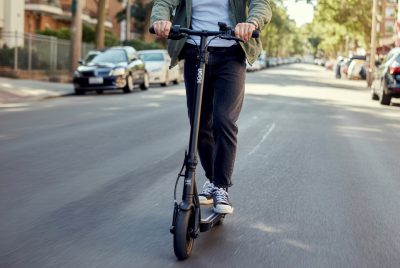
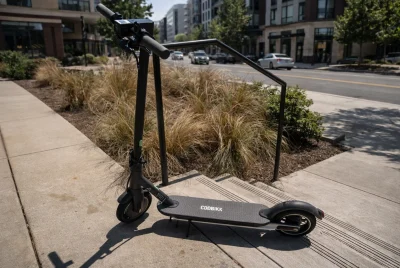
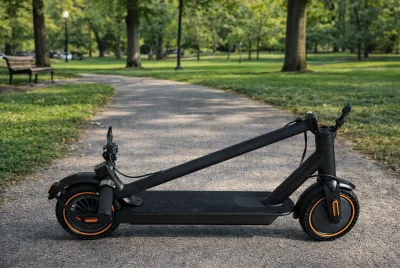
RelayWay Off Road Electric Scooter
*We may earn a commission for purchases made using our links. Please see our disclosure to learn more.
The world of off-road electric scooters has evolved dramatically, offering riders unprecedented freedom to explore challenging terrains while maintaining the convenience of electric mobility. Among the growing selection of all-terrain electric scooters available today, models designed for rugged adventures have captured the attention of outdoor enthusiasts and daily commuters alike. These powerful machines combine robust engineering with advanced features to deliver reliable performance across diverse landscapes.
“Off-road electric scooters transform the concept of personal transportation by merging the efficiency of electric power with the freedom to explore diverse terrains, offering riders unprecedented access to both urban environments and natural landscapes.”
— Electric Transportation Review, 2024
Key Takeaways
- Motor power and battery efficiency must balance to tackle steep inclines while maintaining impressive range for extended rides.
- Tire size and suspension systems absorb shocks from uneven surfaces and provide stability on loose gravel or dirt trails.
- Weight capacity matters significantly for riders planning to carry camping gear or additional riding equipment during adventures.
- Water-resistant connectors rated IPX5 or higher protect internal components from rain and mud splashes during off-road excursions.
- Military-grade welding points and reinforced frames ensure the scooter withstands repeated impacts and heavy loads.
- Digital displays tracking speed, battery levels, and ride modes help riders make informed decisions during journeys.
- Rapid charging capabilities reduce downtime between rides while foldable designs facilitate easier storage and transportation.
- Price considerations should reflect intended use, as occasional trail riders have different needs than daily commuters navigating mixed terrain.
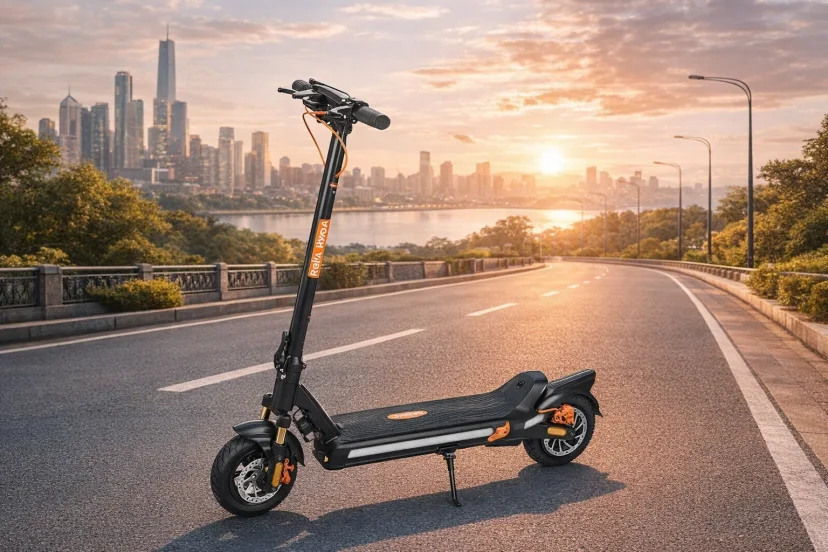
RelayWay Off Road Electric Scooter


The RelayWay Off Road Electric Scooter is built for adults who need power, stability, and long-range performance on both city streets and rugged terrain. Powered by an 800W motor, it reaches speeds of up to 30 mph while supporting riders up to 300 lbs with confidence. The reinforced alloy steel frame, dual suspension, and 10.5-inch pneumatic off-road tires deliver a smooth, controlled ride even on uneven trails. With a long-range battery offering up to 50 miles in eco mode, a foldable design for easy storage, and advanced safety features like a bright 2000-lumen lighting system and UL2272-certified battery, this scooter is designed for daily commuting, weekend exploration, and heavy-duty use.
The RelayWay Off Road Electric Scooter stands out as a reliable choice for riders who demand strength, speed, and versatility. Designed with adult commuters and outdoor enthusiasts in mind, it combines a powerful motor with all-terrain tires to handle urban roads, gravel paths, and light trails with ease. Its long-range battery reduces the need for frequent charging, while the foldable frame adds convenience for storage and transport.
- Powerful Performance: 800W motor delivers fast acceleration and a top speed of 30 mph for on-road and off-road riding
- Long Range Capability: Up to 50 miles per charge in eco mode, ideal for long commutes and extended rides
- Heavy-Duty Build: Reinforced steel frame and 300 lb capacity ensure durability and rider stability
- Long Charging Time: Full charge can take up to 12 hours
- Heavier Frame: Sturdy construction makes it less lightweight compared to basic commuter scooters
- Premium Price Point: Higher cost than entry-level electric scooters
Understanding Off-Road Electric Scooter Technology
The engineering behind capable off-road electric scooters involves sophisticated integration of multiple systems working harmoniously. Motor configuration represents the foundation of performance capabilities, with brushless DC motors offering superior efficiency and longevity compared to brushed alternatives. Single-motor designs provide adequate power for moderate terrain, while dual-motor configurations enable exceptional torque distribution and hill-climbing ability.
Battery technology directly impacts practical usability, with lithium-ion cells dominating the market due to their energy density and recharging characteristics. Voltage ratings typically range from 36V for entry models to 60V or higher for performance-oriented scooters, while ampere-hour capacity determines actual range. Battery management systems protect cells from damage while optimizing charging cycles and monitoring temperature, significantly extending overall lifespan.
Tire selection involves balancing multiple competing factors including puncture resistance, weight, and terrain adaptability. Pneumatic tires filled with air provide superior shock absorption and traction but require maintenance and risk flats. Solid or honeycomb tires eliminate puncture concerns at the expense of ride comfort and weight. Off-road specific tread patterns feature aggressive lugs that bite into loose surfaces, channeling away mud and debris while maintaining contact with the ground.
Suspension systems separate premium off-road scooters from basic commuter models. Spring suspension offers simple reliability and adjustability but adds weight and maintenance requirements. Hydraulic systems deliver superior damping control and smoother operation, particularly beneficial when riding at higher speeds over rough terrain. Dual suspension setups with independent front and rear systems provide the ultimate comfort and control, though they increase complexity and cost.
Performance Characteristics and Specifications
Motor power ratings deserve careful interpretation, as manufacturers often cite peak output rather than sustained performance. A scooter advertising 1200W might maintain 800W continuous operation, with brief bursts reaching the higher figure during acceleration or climbing. This distinction matters when evaluating real-world capabilities, particularly for heavier riders or those regularly encountering steep grades.
Speed capabilities range dramatically across the off-road electric scooter market, from conservative 20 mph models focused on safety to aggressive 40+ mph machines designed for thrill-seekers. Legal restrictions vary by jurisdiction, with many areas limiting electric scooter speeds to 15-20 mph on public pathways. Understanding local regulations prevents potential citations while informing appropriate model selection.
Range estimates provided by manufacturers typically reflect optimal conditions including flat terrain, moderate speeds, and lightweight riders. Real-world performance often differs substantially, with aggressive acceleration, frequent stops, cold weather, and maximum speeds reducing effective range by thirty to fifty percent. Conservative estimates help prevent being stranded far from charging infrastructure.
Weight capacity specifications indicate maximum safe loads, but operating consistently near these limits accelerates wear on components including motors, bearings, and structural elements. Riders carrying camping equipment or planning two-up riding should select models with capacity exceeding their anticipated maximum loads by at least twenty percent for longevity and safety margins.
Safety Features and Considerations
Braking systems represent the most critical safety component on any electric scooter, particularly those capable of higher speeds and off-road operation. Dual-disc brake setups provide strong, consistent stopping power across varied conditions, while electronic regenerative braking supplements mechanical systems and recovers energy during deceleration. Hydraulic disc brakes offer superior modulation compared to cable-actuated alternatives, enabling precise control during emergency stops on loose surfaces.
Lighting systems extend functionality beyond basic visibility, with comprehensive packages including headlights, taillights, brake lights, turn signals, and deck illumination. High-lumen headlights rated 1000+ lumens illuminate trails effectively during dawn, dusk, or nighttime rides, while brake-activated taillights alert following traffic to deceleration. Turn signal integration, though less common, significantly improves safety when riding in mixed traffic conditions.
Frame construction quality directly correlates with long-term reliability and crash protection. Aluminum alloy frames offer excellent strength-to-weight ratios and corrosion resistance, while steel variants provide maximum durability at the expense of additional weight. Welding quality matters tremendously, with hand-welded joints typically exhibiting superior strength compared to automated processes. Reinforcement at stress points including the stem, deck connection, and suspension mounting prevents catastrophic failures during impacts.
Water resistance ratings using the IP (Ingress Protection) standard indicate protection levels against dust and moisture. IPX4 ratings provide splash resistance sufficient for light rain, while IPX5 handles low-pressure water jets, suitable for riding through puddles and moderate rainfall. IPX6 or higher ratings enable washing with hoses and withstanding heavy downpours, though full submersion remains inadvisable for most scooter electronics.
Terrain Capabilities and Applications
Urban commuting represents one primary application for off-road capable electric scooters, with rugged construction and larger tires smoothing pothole-filled streets and broken pavement. The elevated ride height compared to standard commuter models helps navigate curbs and debris, while powerful motors handle bridge inclines and overpass grades effortlessly. Foldable designs facilitate multi-modal commuting, enabling riders to combine scooter segments with public transportation.
Trail riding opens recreational opportunities impossible with standard scooters, accessing fire roads, packed dirt trails, and groomed paths throughout parks and natural areas. Moderate off-road capability suffices for maintained trails, while serious backcountry exploration demands dual motors, aggressive tires, and substantial ground clearance. Understanding personal skill levels and gradually progressing to more challenging terrain prevents accidents and builds confidence.
Beach environments present unique challenges including loose sand, salt exposure, and potential water ingress. Scooters featuring wide tires, sealed electrical connections, and corrosion-resistant materials handle occasional beach excursions, though regular use accelerates wear. Thorough cleaning after each beach ride, particularly removing salt deposits from metal components, extends equipment lifespan significantly.
Snow and winter conditions test scooter capabilities severely, with reduced traction, battery efficiency losses, and potential component damage from road salt. Studded tires improve grip on packed snow and ice, while riders must accept significantly reduced range in freezing temperatures. Electronics particularly vulnerable to moisture benefit from additional protective measures including silicone coatings on circuit boards and waterproof enclosures.
Maintenance and Longevity Considerations
Battery care practices exert tremendous influence over long-term performance and replacement costs. Lithium-ion cells prefer partial discharge cycles rather than complete depletion, with optimal longevity achieved by maintaining charge between twenty and eighty percent. Extended storage at full charge accelerates degradation, making periodic partial discharge cycles beneficial for occasionally-used scooters. Temperature extremes during charging or operation stress cells unnecessarily, with moderate conditions between fifty and eighty degrees Fahrenheit proving ideal.
Tire maintenance requirements depend heavily on construction type, with pneumatic systems demanding regular pressure checks and occasional repairs or replacements. Maintaining proper inflation pressures optimizes rolling resistance, range, and handling characteristics while preventing pinch flats and premature wear. Inspecting tread depth and sidewall condition identifies potential failures before they occur, while rotating tires equalizes wear patterns on dual-motor models where rear tires typically wear faster.
Brake system maintenance ensures reliable stopping power throughout the scooter’s lifespan. Disc brake pads wear gradually and require periodic inspection, with replacement recommended when material thickness drops below two millimeters. Hydraulic systems benefit from occasional fluid changes removing moisture absorbed over time, while cable-actuated brakes need periodic adjustment as cables stretch with use. Cleaning brake rotors removes debris and contaminants that reduce effectiveness and cause noise.
Fastener inspection and tightening represents simple but critical preventive maintenance, as vibration gradually loosens bolts and screws throughout the scooter. Folding mechanisms particularly warrant attention, as loose pivots create dangerous play and accelerate wear. Applying thread-locking compounds to critical fasteners prevents loosening while still permitting disassembly when necessary.
Cost Considerations and Value Analysis
Initial purchase prices span an enormous range from budget models around four hundred dollars to premium machines exceeding four thousand dollars. Entry-level scooters prove adequate for occasional recreational use and short commutes, while mid-range offerings between eight hundred and fifteen hundred dollars balance capability with affordability. Premium models justify higher costs through superior components, extended warranties, and exceptional performance, though casual riders may never fully utilize these advantages.
Operating costs remain remarkably low compared to gasoline-powered alternatives, with electricity charges typically measuring pennies per mile. Battery replacement represents the largest ongoing expense, with quality packs costing two hundred to six hundred dollars depending on capacity and voltage. Extending battery life through proper care and charging practices defers this expense significantly, potentially lasting three to five years or longer with conservative use.
Maintenance expenses vary based on riding intensity and conditions, with off-road use accelerating wear on consumable components. Annual maintenance budgets should allocate funds for tire replacements, brake pads, and occasional bearing services. Riders comfortable performing basic maintenance reduce costs substantially compared to relying exclusively on professional service providers.
Insurance and registration requirements depend entirely on local regulations, with some jurisdictions treating electric scooters as bicycles requiring nothing, while others mandate licensing, registration, and liability coverage similar to mopeds. Researching applicable laws prevents surprises and ensures legal operation.
Environmental Impact and Sustainability
Electric propulsion systems eliminate direct emissions during operation, significantly reducing air pollution compared to gasoline-powered alternatives. This benefit proves particularly meaningful in urban environments where transportation contributes substantially to poor air quality. Zero operational emissions don’t equal zero environmental impact, however, as electricity generation methods vary dramatically in cleanliness from renewable sources to coal-fired power plants.
Battery production involves resource extraction and manufacturing processes with environmental consequences, though lithium-ion technology continues improving in sustainability. Responsible end-of-life recycling recovers valuable materials including lithium, cobalt, and rare earth elements, preventing landfill waste while reducing mining demands. Supporting manufacturers implementing take-back programs and using recycled materials in new batteries advances circular economy principles.
Manufacturing processes and material choices influence overall environmental footprints substantially. Aluminum production requires significant energy but offers complete recyclability, while steel production generates greater emissions but proves extremely durable. Longer product lifespans through quality construction and repairability reduce per-year environmental impacts compared to disposable designs requiring frequent replacement.
Transportation alternatives comparison reveals electric scooters occupying a middle position regarding environmental impact. Walking and conventional bicycles obviously prove cleaner, while cars—even electric variants—consume far more energy and materials. For trips exceeding comfortable walking distances but shorter than justifying automobile use, electric scooters provide practical, environmentally conscious transportation.
User Experience and Practical Insights
Learning curves vary considerably based on prior experience with similar vehicles and personal athletic abilities. Riders familiar with bicycles or manual scooters typically adapt quickly to electric models, while those lacking two-wheeled experience benefit from gradual progression starting at lower speeds in controlled environments. Off-road riding demands additional skills including weight shifting, line selection, and terrain reading that develop through practice.
Comfort factors extend beyond obvious suspension and tire choices to include handlebar ergonomics, deck size, and riding position. Adjustable stems accommodate different rider heights, while wider decks provide secure footing during aggressive maneuvering. Grips with adequate diameter and cushioning reduce hand fatigue during extended rides, particularly important when traversing rough terrain requiring constant control inputs.
Storage and portability considerations matter greatly for those integrating scooters into multi-modal transportation or lacking dedicated parking spaces. Folding mechanisms should operate smoothly with one-handed operation while securely locking in both deployed and folded configurations. Weight proves crucial when carrying scooters upstairs or loading into vehicles, with models exceeding sixty pounds challenging for many riders.
Weather protection varies from minimal on basic models to comprehensive on premium scooters featuring sealed electronics and water-resistant materials throughout. Riders in rainy climates prioritize higher IP ratings and corrosion-resistant components, while those in consistently dry regions save money forgoing unnecessary weatherproofing.
Future Trends and Technology Evolution
Battery technology advances promise substantial improvements in range, charging speed, and longevity. Solid-state batteries eliminating liquid electrolytes offer enhanced safety and energy density, though commercialization remains several years distant. Incremental improvements to lithium-ion chemistry continue meanwhile, with manufacturers achieving greater capacity in equivalent sizes annually.
Motor efficiency gains stem from improved magnetic materials and refined controller algorithms optimizing power delivery. Next-generation brushless motors extract more performance from existing battery capacities while generating less heat, enabling longer sustained operation at higher power levels. Integrated motor-wheel designs reduce mechanical complexity while improving aesthetics, though they complicate maintenance and repairs.
Smart features and connectivity expand beyond basic ride statistics to include GPS tracking, geofencing, remote diagnostics, and over-the-air firmware updates. Smartphone integration enables customizable performance profiles, ride sharing capabilities, and theft prevention through immobilization. Privacy concerns regarding location tracking and data collection deserve consideration when evaluating connected features.
Regulatory landscapes continue evolving as electric scooters proliferate, with governments worldwide developing frameworks balancing innovation with public safety. Speed limitations, mandatory equipment requirements, and designated riding zones shape product development and user experiences. Staying informed about changing regulations ensures continued legal operation and influences purchasing decisions.
Conclusion
Off-road electric scooters represent remarkable engineering achievements combining power, efficiency, and durability into accessible personal transportation devices. These machines enable exploration of trails, beaches, and backcountry previously accessible only through considerable physical effort or expensive motorized vehicles. The technology continues maturing rapidly, with improvements in batteries, motors, and materials delivering better performance at lower prices year after year.
Selecting the appropriate model requires honest assessment of intended uses, riding environments, and budget constraints. Casual riders seeking weekend recreation have vastly different needs compared to daily commuters navigating challenging urban infrastructure. Features representing essential investments for some users prove unnecessary luxuries for others, making thorough research crucial before committing to purchase.
The growing off-road electric scooter community provides valuable resources including forums, social media groups, and local riding clubs where experienced riders share knowledge and organize group excursions. Connecting with fellow enthusiasts accelerates learning, reveals hidden trails, and enhances overall enjoyment through shared experiences. As technology advances and adoption increases, these communities will continue growing and evolving.
Environmental benefits, operational savings, and pure enjoyment make off-road electric scooters compelling alternatives to traditional transportation methods for appropriate applications. While not replacing automobiles for all purposes, they fill important niches in personal mobility while reducing fossil fuel dependence and encouraging outdoor activity. The future looks bright for this dynamic segment of the electric vehicle revolution.
Frequently Asked Questions
What is the typical range for off-road electric scooters?
Range varies significantly based on battery capacity, motor power, terrain, rider weight, and speed, typically spanning 20 to 50 miles per charge. Manufacturers provide estimates under ideal conditions that real-world use often reduces by thirty to fifty percent. Aggressive riding styles, steep hills, maximum speeds, and cold weather all decrease effective range substantially. Riders planning longer excursions should select models with larger batteries and consider carrying portable chargers for extended adventures.
How fast can off-road electric scooters travel?
Speed capabilities range from conservative 20 mph on entry models to aggressive 40+ mph on high-performance machines. Local regulations often limit legal speeds to 15-20 mph on public pathways regardless of scooter capabilities. Faster speeds demand corresponding improvements in braking, suspension, and rider skill to maintain safety. New riders should gain experience at moderate speeds before attempting maximum velocities, particularly on challenging terrain.
Are off-road electric scooters suitable for daily commuting?
Off-road capable models excel at daily commuting thanks to robust construction, larger tires, and powerful motors handling poor pavement and inclines effortlessly. The same features enabling trail riding smooth out pothole-filled streets and broken sidewalks common in urban environments. Foldable designs facilitate multi-modal commuting combining scooter segments with public transportation, while weather-resistant construction handles inevitable rain exposure during regular use.
What maintenance do off-road electric scooters require?
Regular maintenance includes checking tire pressures, inspecting brake pads, tightening fasteners, cleaning and lubricating moving parts, and monitoring battery health. Off-road use accelerates wear on consumable components including tires and brake pads compared to exclusive pavement riding. Most owners handle basic maintenance themselves, though professional service proves beneficial for complex tasks like hydraulic brake bleeding or motor repairs. Annual maintenance costs typically remain modest compared to gasoline-powered alternatives.
How weather-resistant are off-road electric scooters?
Water resistance varies dramatically across models, with basic scooters offering minimal protection while premium versions feature comprehensive sealing rated IPX5 or higher. This level handles rain, puddles, and washing but not submersion. Salt exposure from ocean environments or winter road treatments accelerates corrosion, requiring thorough cleaning after exposure. Extreme temperatures affect battery performance and lifespan, with cold weather reducing range significantly while excessive heat during charging or operation stresses cells unnecessarily.