QnQ Electric Scooter: A Comprehensive Guide

*We may earn a commission for purchases made using our links. Please see our disclosure to learn more.
Electric scooters have transformed urban transportation, offering an eco-friendly alternative to traditional commuting methods. Among the various brands available, QnQ electric scooters have gained attention for their balance of affordability and functionality. These compact vehicles cater to riders seeking efficient short-distance travel without the environmental impact of gas-powered transportation.
The rise of electric scooters reflects a broader shift toward sustainable urban mobility. As cities become more congested and environmental concerns intensify, commuters increasingly turn to electric-powered solutions. QnQ positions itself within this growing market by providing accessible options for students, professionals, and recreational riders alike.
Understanding the features, benefits, and considerations of QnQ electric scooters helps potential buyers make informed decisions. This guide explores what sets these scooters apart, their practical applications, and essential factors to consider before purchase.
“Electric scooters have emerged as a practical solution for urban mobility challenges, offering an efficient middle ground between walking and driving that reduces congestion and emissions while providing users with affordable, convenient transportation options.”
— Urban Transportation Research Institute, 2024
Key Takeaways
- QnQ electric scooters offer budget-friendly options for urban commuters and recreational riders
- Most models feature foldable designs for easy storage and portability
- Battery range typically supports 10-20 miles per charge, suitable for short to medium commutes
- Weight capacity generally accommodates riders up to 220 pounds
- Safety features include LED lights, electronic brakes, and anti-slip decks
- Maintenance requirements remain minimal compared to gas-powered vehicles
Recommended QnQ Electric Scooters
QnQ DY8502 Electric Scooter


The QnQ DY8502 Electric Scooter is designed for riders who want power, comfort, and everyday convenience in a dependable commuter scooter. Available with 500W, 750W, and up to 1500W peak motor options, it delivers smooth acceleration and top speeds of up to 25 MPH depending on the selected variant. With long-range battery options reaching up to 35 miles, this electric scooter is ideal for daily commutes, school travel, and casual city rides.
- Power Options: Multiple motor choices up to 1500W peak for flexible riding performance
- Ride Comfort: Dual suspension and wide deck improve stability on rough roads
- Smart Features: App control for speed modes, lights, cruise control, and ride data
- Solid Tires: Durable and puncture-free but less cushioned than pneumatic tires
- Range Variability: Actual mileage depends on rider weight, terrain, and riding style
- Charge Duration: Higher-capacity battery models require longer charging times
The QnQ DY8502 Electric Scooter is a versatile and cost-effective electric scooter built for modern urban commuting. Powered by a brushless motor ranging from 500W to a powerful 1500W peak, it offers reliable acceleration and steady cruising speeds suitable for both beginners and experienced riders. Riders can choose from range options of up to 21, 28, or 35 miles, making it adaptable for short trips or extended daily commutes.
QnQ DY8505 Electric Scooter


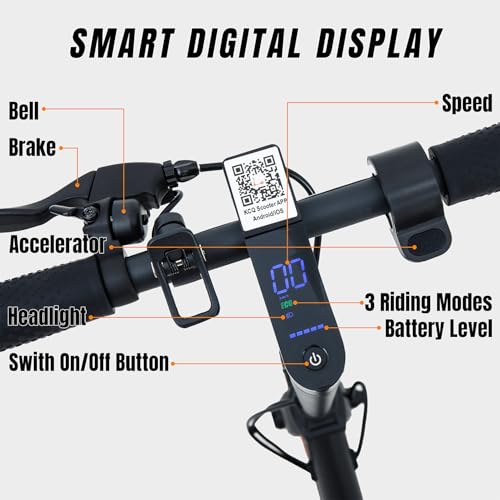
The QnQ DY8505 Electric Scooter is a lightweight and beginner-friendly folding e-scooter designed for teens, big kids, and casual adult riders. It features motor options ranging from 250W to 350W, delivering smooth acceleration and a top speed of up to 21 MPH depending on the selected variant. With range options from 12 to 21 miles per charge, this scooter is ideal for short commutes, school rides, and neighborhood travel.
- Beginner-Friendly: Smooth acceleration and simple controls for new riders
- Low Maintenance: Solid anti-puncture tires eliminate flats
- Portable: Lightweight folding design for easy storage and transport
- Limited Range: Shorter mileage compared to long-range commuter scooters
- No Suspension: Solid tires and rigid frame reduce shock absorption
- Speed Variance: Performance depends on selected motor and rider weight
The QnQ DY8505 Electric Scooter is designed to provide an accessible and safe riding experience for teens, beginners, and light commuters. Powered by a 36V brushless hub motor with 250W to 350W output (up to 500W peak), it delivers steady performance with a maximum speed of up to 21 MPH and can handle inclines of up to 15% under optimal conditions.
QnQ Model SEL-H8 Electric Scooter
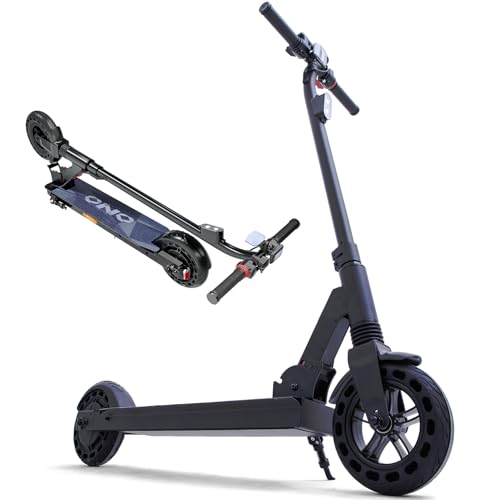

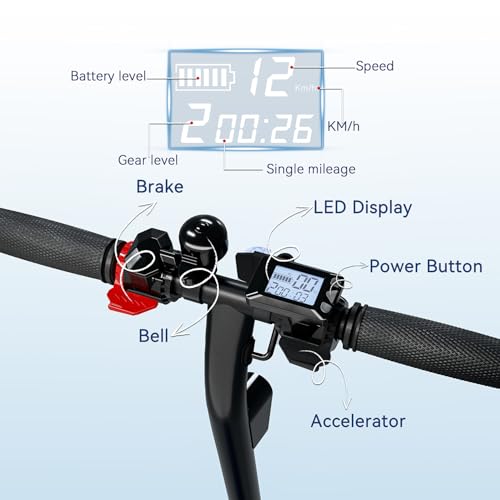
The QnQ Model SEL-H8 Electric Scooter is a beginner-friendly electric scooter designed specifically for big kids and teens who want a fun, safe, and easy way to ride. Powered by a 250W motor, it reaches a top speed of up to 15.5 mph and delivers a riding range of up to 12 miles per charge, making it ideal for school rides, neighborhood cruising, and outdoor play.
- Kid-Friendly Design: Simple controls and multiple speed modes for beginners
- Safety Focused: Dual braking system with UL-2272 certification
- Lightweight: Easy to fold, carry, and store
- Shorter Range: Designed for shorter rides rather than long commutes
- Lower Power: 250W motor is not suited for steep hills
- Youth Fit: Size and performance may feel limited for adults
The QnQ SEL-H8 Electric Scooter is built to give young riders a safe and enjoyable introduction to electric scooters. Featuring a 250W motor and a top speed of 15.5 mph, it provides controlled performance suitable for riders aged approximately 6 to 15 years old. The 144Wh battery supports rides of up to 12 miles, offering enough range for daily fun without overwhelming beginners.
QnQ SEL-L10PRO Electric Scooter


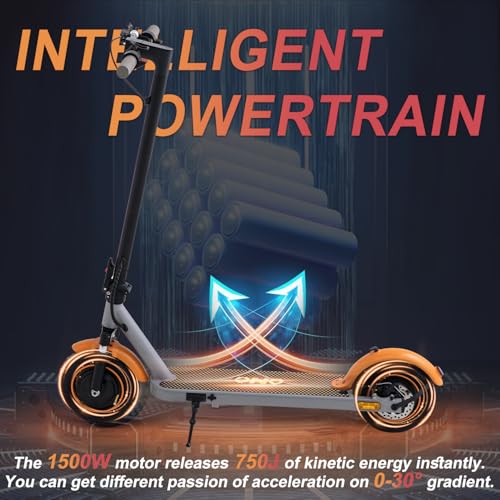
The QnQ Electric Scooter (Model SEL-L10PRO) is built for riders who want strong power, extended range, and advanced safety features in a modern commuter e-scooter. Equipped with a high-performance 500W motor with up to 1500W peak output, it delivers fast acceleration and top speeds ranging from 19 to 22 MPH depending on the configuration. With long-range options of up to 35 miles per charge, this scooter is well suited for daily commuting and longer urban rides.
- Power Output: Strong motor performance with fast acceleration and hill capability
- Extended Range: Long-distance riding options up to 35 miles per charge
- Smart Features: App control, cruise control, and real-time LCD display
- Weight: Heavier build compared to entry-level scooters
- Price Point: Higher cost than basic commuter models
- Charging Time: Full recharge can take several hours
The QnQ SEL-L10PRO Electric Scooter is engineered for performance-focused riders who demand reliability, power, and smart technology in one premium electric scooter. Featuring a powerful motor system capable of up to 1500W peak output, it reaches speeds of up to 22 MPH and confidently handles steep inclines, making it ideal for urban commuting and challenging terrain.
Understanding QnQ Electric Scooter Features
Electric scooters from QnQ typically incorporate several standard features that define their functionality. Motor power represents a critical specification, directly affecting speed and hill-climbing capability. Most QnQ models utilize motors ranging from 250W to 500W, with higher wattage providing better performance on inclines and quicker acceleration.
Battery capacity determines how far riders can travel on a single charge. QnQ scooters commonly employ lithium-ion batteries, which offer good energy density and longevity. Charging times vary by model but typically require 3-6 hours for a full charge. Battery management systems protect against overcharging and excessive discharge, extending overall battery lifespan.
Build quality and materials influence durability and weight. Aluminum alloy frames provide strength while keeping overall weight manageable for portability. The folding mechanism represents a crucial design element, enabling compact storage in apartments, offices, or vehicle trunks. Quality hinges and locking systems ensure stability during rides and security when folded.
Wheel size and type affect ride comfort and terrain capability. Smaller 6.5-inch wheels favor portability but transmit more road vibrations. Larger 8-10 inch wheels offer improved comfort and obstacle navigation. Pneumatic (air-filled) tires provide superior shock absorption compared to solid tires, though they require occasional maintenance and face puncture risks.
Performance Characteristics
Speed capabilities vary across QnQ electric scooter models. Entry-level versions typically reach maximum speeds of 12-15 mph, suitable for casual riding and bike path use. Mid-range models may achieve 18-20 mph, approaching the upper limits allowed in many urban areas. Speed settings often include eco, standard, and sport modes, allowing riders to balance performance with battery conservation.
Range specifications indicate distance covered per charge under ideal conditions. Real-world range depends on numerous factors including rider weight, terrain, wind conditions, and riding style. Aggressive acceleration and maximum speed operation drain batteries faster than moderate, consistent speeds. Understanding this relationship helps riders plan trips and avoid mid-commute battery depletion.
Hill-climbing ability relates directly to motor power and overall scooter weight. A 250W motor handles gentle inclines adequately but struggles on steeper grades, particularly with heavier riders. Models with 350W or 500W motors navigate moderate hills more effectively. Steep urban hills may require riders to assist by kicking or dismounting entirely, regardless of motor specifications.
Braking systems combine electronic and mechanical components. Electronic brakes use motor resistance to slow the scooter, feeding energy back into the battery through regenerative braking. Mechanical disc or drum brakes provide additional stopping power, essential for emergency situations. Dual braking systems enhance safety by offering redundancy and more controlled deceleration.
Safety Considerations
Visibility remains paramount for electric scooter safety. LED headlights illuminate the path ahead during low-light conditions, while rear lights increase visibility to motorists and pedestrians. Reflective materials on the deck or frame further enhance conspicuity. However, lights should supplement rather than replace defensive riding practices and awareness of surroundings.
Protective equipment significantly reduces injury severity in accidents. Helmets represent the most critical safety gear, protecting against head trauma. Many jurisdictions legally require helmet use for electric scooter riders. Additional protective equipment like knee pads, elbow pads, and wrist guards provide extra protection, particularly for inexperienced riders or those riding in challenging conditions.
Riding surface conditions demand constant attention. Wet pavement reduces tire traction, extending braking distances and increasing slide risks. Gravel, sand, or debris can cause loss of control, especially on smaller wheels. Uneven surfaces, potholes, and curbs pose hazards that require reduced speeds and heightened vigilance. Riders should avoid surfaces beyond their scooter’s capabilities.
Traffic laws governing electric scooters vary by jurisdiction. Some areas classify them as vehicles requiring road use, while others permit sidewalk riding. Speed limits, age restrictions, and equipment requirements differ significantly between locations. Responsible riders research and comply with local regulations, reducing legal risks and promoting positive public perception of electric scooters.
Practical Applications and Use Cases
Urban commuting represents the primary use case for QnQ electric scooters. The last-mile problem—traveling from public transportation to final destinations—finds an ideal solution in portable electric scooters. Riders can fold their scooters for bus or train segments, then deploy them for the remaining distance. This multimodal approach reduces commute times while avoiding parking challenges.
Campus transportation benefits significantly from electric scooter adoption. University and corporate campuses often span considerable distances, making walking time-consuming. Electric scooters enable quick travel between classes, meetings, or facilities. Their portability allows storage in dorm rooms, offices, or bike racks. Many educational institutions have established designated parking areas and charging stations.
Recreational riding provides enjoyable physical activity with reduced exertion compared to traditional scooters or bicycles. Parks, boardwalks, and designated paths offer suitable environments for leisurely rides. Families can ride together with age-appropriate models for different members. The electric assist feature helps less physically fit individuals participate in group activities they might otherwise avoid.
Errand running gains efficiency through electric scooter use. Quick trips to nearby stores, post offices, or restaurants become faster and more convenient. Small cargo can be carried in backpacks or attached baskets. However, weight capacity limitations and lack of weather protection make electric scooters less suitable for large shopping trips or inclement weather.
Maintenance and Care
Battery maintenance directly impacts scooter longevity and performance. Lithium-ion batteries perform best when kept between 20% and 80% charge levels. Frequent complete discharges or constant 100% charging can reduce overall battery life. During extended storage periods, maintaining approximately 50% charge prevents degradation. Temperature extremes also affect battery health, with moderate conditions being optimal.
Tire maintenance requirements depend on tire type. Pneumatic tires need periodic pressure checks and inflation to recommended PSI levels. Under-inflated tires reduce range and handling while increasing puncture risks. Solid tires require no inflation but should be inspected for wear and damage. Replacing worn tires before they become hazardous prevents accidents and maintains ride quality.
Mechanical components benefit from regular inspection and lubrication. Folding mechanisms accumulate dirt and grime that can impede smooth operation. Periodic cleaning and light lubrication of hinges, latches, and pivot points ensure reliable folding and unfolding. Brake cables and levers require occasional adjustment as they stretch or wear. Loose bolts should be identified and tightened during routine checks.
Cleaning extends both aesthetic appeal and functional lifespan. Dirt and moisture can corrode electrical connections and mechanical parts. Gentle cleaning with damp cloths removes surface contamination without damaging electronic components. Avoiding high-pressure water or submersion protects sensitive electrical systems. Drying thoroughly after wet weather exposure prevents rust and corrosion on metal components.
Cost Considerations
Initial purchase price represents just one component of total ownership cost. QnQ electric scooters typically position themselves in the budget to mid-range price segments, making them accessible to price-conscious consumers. However, the lowest-priced options may sacrifice durability or features, potentially increasing long-term costs through earlier replacement or additional accessories.
Operating costs remain minimal compared to motorized alternatives. Electricity for charging costs pennies per charge, dramatically less than gasoline. No oil changes, emissions testing, or complex mechanical maintenance reduces ongoing expenses. Occasional tire replacements and brake adjustments represent the primary consumable costs over the scooter’s lifespan.
Replacement parts and accessories add to ownership expenses. Spare batteries, replacement tires, and upgraded components may be needed over time. Protective equipment like helmets and pads represent initial investments in safety. Storage solutions such as locks, covers, or dedicated stands protect the investment. Researching parts availability before purchase prevents frustration when repairs become necessary.
Comparing transportation costs reveals electric scooter advantages. Monthly public transportation passes often exceed the total cost of an electric scooter within several months. Parking fees, vehicle insurance, and fuel costs make car ownership significantly more expensive for short-distance travel. The break-even point for scooter purchase typically occurs quickly for regular users, with subsequent use representing pure savings.
Environmental Impact
Electric scooters contribute to reduced carbon emissions compared to gas-powered vehicles. Zero direct emissions during operation make them environmentally friendly transportation options. However, electricity generation methods affect overall environmental impact. Regions relying on coal power see smaller benefits than those using renewable energy sources. Charging during off-peak hours when cleaner energy sources typically dominate the grid maximizes environmental advantages.
Manufacturing and disposal considerations complete the environmental picture. Battery production involves mining and processing activities with environmental consequences. Responsible end-of-life battery recycling minimizes toxic waste and recovers valuable materials. Aluminum frames can be recycled, reducing demand for virgin materials. Choosing durable models that last longer reduces the frequency of replacement and associated manufacturing impacts.
Urban air quality improvements represent significant public health benefits. Replacing short car trips with electric scooter rides reduces local pollutants like particulate matter and nitrogen oxides. Cities with high electric scooter adoption rates may experience measurable air quality improvements, particularly in dense urban cores where traffic congestion concentrates emissions.
Noise pollution reduction creates more pleasant urban environments. Electric motors operate nearly silently compared to internal combustion engines. Widespread electric scooter adoption could significantly reduce urban noise levels, improving quality of life for residents. This benefit extends to riders themselves, who enjoy peaceful commutes without engine noise.
Comparing Alternative Options
Traditional kick scooters offer pure human-powered transportation without range limitations or charging requirements. They provide better exercise benefits but demand more physical effort, particularly on longer trips or inclines. Lower purchase and maintenance costs make them attractive for budget-conscious buyers. However, arrival sweat and fatigue make them less practical for commuting to professional environments.
Bicycles represent another human-powered alternative with distinct advantages. Greater efficiency over longer distances and superior cargo capacity make bikes more versatile. However, bicycles require more storage space and face greater theft risks. Physical exertion requirements remain significant, though electric bike options address this limitation at higher price points.
Electric bikes provide higher speeds and longer ranges than electric scooters. Their bicycle-style seating offers greater comfort for extended rides. However, significantly higher costs, increased weight, and greater storage requirements present disadvantages. Regulatory requirements may be more stringent for electric bikes in some jurisdictions.
Shared scooter services eliminate ownership responsibilities but incur ongoing rental costs. No maintenance, storage, or theft concerns appeal to occasional riders. However, per-use fees accumulate quickly for regular users, making ownership more economical. Availability and condition of rental scooters can be inconsistent, creating reliability concerns for time-sensitive trips.
Storage and Portability
Folding mechanisms define electric scooter portability. Quality designs allow one-handed operation within seconds, facilitating quick transitions between riding and carrying. Locking systems must securely hold both riding and folded positions. Poorly designed mechanisms create frustration and potential safety hazards if they fail during use.
Folded dimensions determine storage feasibility in various locations. Compact folding allows placement under desks, in closets, or vehicle trunks. Measuring available storage space before purchase prevents disappointment. Some models prioritize compact folding at the expense of structural rigidity, requiring careful balance between portability and stability.
Weight significantly affects carrying practicality. While lighter scooters fold compactly, carrying 30-40 pounds up stairs or through long distances becomes tiresome. Optimal weight balances structural strength with portability needs. Riders should consider typical carrying distances when evaluating weight specifications.
Weather protection during storage extends scooter lifespan. Indoor storage protects against moisture, temperature extremes, and UV exposure. When outdoor storage is necessary, weatherproof covers shield components from the elements. Covered parking or garages offer intermediate protection levels. Exposure to harsh weather accelerates wear on electrical components, batteries, and finishes.
Conclusion
QnQ electric scooters represent accessible entry points into electric personal transportation. Their combination of affordability, portability, and adequate performance serves many riders’ needs effectively. Understanding the features, limitations, and proper use of these scooters enables informed purchasing decisions and safe, enjoyable riding experiences.
The decision to purchase an electric scooter involves evaluating individual transportation needs, local regulations, and budget constraints. QnQ models cater to riders prioritizing value and basic functionality over premium features or maximum performance. For appropriate use cases—short commutes, last-mile connectivity, campus transportation—these scooters deliver practical solutions.
Responsible ownership extends beyond the purchase decision. Proper maintenance, safe riding practices, and regulatory compliance ensure positive experiences and promote broader acceptance of electric scooters as legitimate transportation options. As urban areas continue evolving toward sustainable mobility solutions, electric scooters will likely play increasingly important roles in integrated transportation networks.
Frequently Asked Questions
What is the typical lifespan of a QnQ electric scooter battery?
Battery lifespan depends on usage patterns and maintenance practices. Most lithium-ion batteries in electric scooters maintain effective performance for 300-500 charge cycles. With proper care—avoiding extreme temperatures, maintaining moderate charge levels, and preventing deep discharges—batteries can last 2-4 years of regular use. Riders who use their scooters daily may need replacement batteries sooner than occasional users. Replacement batteries are typically available through manufacturers or third-party suppliers.
Can electric scooters be used in rain or wet conditions?
While many electric scooters feature some water resistance, most are not fully waterproof. Light rain or splashing typically poses minimal risk, but riding through heavy rain, puddles, or standing water can damage electrical components. Water resistance ratings (IP ratings) indicate protection levels when available. Riders should avoid wet conditions when possible and dry scooters thoroughly after exposure. Covering or storing indoors during rainy periods protects the investment.
What weight capacity should be considered when choosing an electric scooter?
Manufacturers specify maximum weight capacities that should not be exceeded. Standard models typically support 220 pounds, while heavy-duty versions accommodate up to 265 pounds or more. Exceeding weight limits reduces performance, decreases range, accelerates component wear, and compromises safety. Riders near weight limits should consider heavy-duty models with appropriate capacity ratings. Accounting for additional cargo weight when carrying backpacks or bags prevents inadvertent overloading.
Are electric scooters legal to ride on sidewalks and bike lanes?
Regulations vary significantly by location. Some jurisdictions classify electric scooters as vehicles requiring road use, while others permit sidewalk riding with speed restrictions. Bike lanes often allow electric scooters, but rules differ between cities and states. Age restrictions, helmet requirements, and speed limits vary widely. Riders must research local laws before operating electric scooters to ensure compliance and avoid citations.
How long does it take to fully charge an electric scooter battery?
Charging time depends on battery capacity and charger specifications. Most QnQ electric scooters require 3-6 hours for complete charging from empty. Smaller batteries on entry-level models charge faster, while larger capacity batteries need extended charging periods. Partial charging is possible when time is limited, though regular full charge cycles help maintain battery health. Using manufacturer-supplied chargers ensures proper charging rates and prevents damage to battery management systems.