JUNLING Electric Scooter: Review & Guide

*We may earn a commission for purchases made using our links. Please see our disclosure to learn more.
Electric scooters have transformed urban mobility, offering commuters and adventure seekers an efficient alternative to traditional transportation. Among the growing selection of brands, JUNLING has emerged as a manufacturer focused on delivering high-performance electric scooters with competitive specifications. Based in Shenzhen, China, JUNLING Technology specializes in research, development, and production of electric mobility products, including scooters that cater to various riding needs from daily commuting to off-road adventures.
“E-scooters can help European cities ease their increasing problems with traffic, emissions, and parking.”
— Research findings from field testing conducted in Munich, Germany, published in Transportation Research Procedia
Key Takeaways
- JUNLING offers electric scooters with motors ranging from 900W to 10,000W dual motor configurations
- Range capabilities vary from 30 miles for entry-level models to 75 miles for premium versions
- All JUNLING batteries feature UL2272 certification and Battery Management Systems (BMS) for safety
- Models include dual hydraulic braking systems and suspension for enhanced riding comfort
- JUNLING provides one-year warranty coverage on their electric scooters
Recommended JUNLING Electric Scooters
JUNLING RD2 Electric Scooter


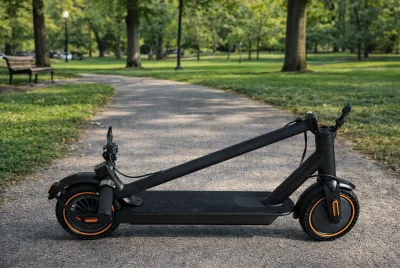
The JUNLING RD2 Electric Scooter is a high-performance electric scooter designed for adults who demand power, speed, and long-distance capability. Available in multiple motor options from 900W up to 10,000W, this scooter delivers impressive top speeds of 31–55 MPH and a maximum range of 30–75 miles, depending on the configuration you choose.
The JUNLING RD2 Electric Scooter stands out as a premium electric scooter built for adult riders seeking performance without compromise. Designed with versatility in mind, it offers a wide range of configurations, allowing riders to choose the ideal balance of speed, range, and power. From daily commuting to long recreational rides, this scooter adapts effortlessly to different riding needs.
- Power Options: Multiple motor choices from 900W to 10,000W suit casual riders and high-performance enthusiasts alike.
- Ride Comfort: Dual suspension system absorbs shocks effectively for smoother rides on rough roads.
- Safety Features: Hydraulic brakes with ABS and full LED lighting enhance rider safety day and night.
- Weight: Heavier build compared to standard commuter scooters due to powerful motors and large battery.
- Speed Control: High top speeds may not be suitable for beginners.
- Price Range: Higher-power models come at a premium cost.
JUNLING JL 86 Pro Electric Scooter


The JUNLING Electric Scooter JL 86 Pro is a high-powered electric scooter built for adults who want extreme performance, extended range, and premium safety features. Powered by a 10000W dual-drive motor, this scooter delivers thrilling acceleration with a top speed of up to 55 MPH and an impressive maximum range of up to 75 miles, making it ideal for both urban riding and off-road adventures.
The JUNLING JL 86 Pro Electric Scooter is engineered for riders who demand uncompromising power and endurance from their electric scooter. Designed around a newly upgraded 10000W dual-drive motor, it offers rapid acceleration, excellent torque, and the ability to conquer steep inclines with ease. This makes it suitable for experienced riders who want both high-speed performance and off-road capability.
- Extreme Power: 10000W dual motor delivers outstanding speed, torque, and hill-climbing ability.
- Long Range: 60V 40Ah battery provides up to 75 miles of travel on a single charge.
- Advanced Safety: Hydraulic braking system and full LED lighting improve control and visibility.
- Heavy Build: Large battery and metal frame increase overall weight.
- High Speed: Not recommended for beginners without prior riding experience.
- Premium Price: Higher cost compared to lower-wattage electric scooters.
JUN LING T10 Electric Scooter Adults


The JUNLING T10 Electric Scooter is a versatile and reliable electric scooter designed for adult riders who want a balance of power, comfort, and portability. Powered by a 900W high-speed motor, this model reaches a top speed of up to 31 MPH and delivers a maximum riding range of up to 30 miles, making it ideal for daily commuting and short off-road rides.
The JUNLING T10 Electric Scooter is designed for riders seeking dependable performance without stepping into extreme high-speed territory. Equipped with a 900W motor, it provides enough power for confident city commuting while remaining manageable for everyday use. Its ability to handle moderate slopes and uneven terrain makes it a practical choice for both urban and suburban environments.
- Efficient Power: 900W motor delivers smooth acceleration and reliable 31 MPH top speed.
- High Load Capacity: Supports up to 330 lbs, suitable for a wide range of adult riders.
- Portable Design: Foldable frame makes transport and storage convenient.
- Shorter Range: 30-mile max range is less than higher-wattage models.
- Moderate Speed: Not as fast as 5000W or 10000W versions.
- Weight: Heavier than basic commuter scooters due to off-road build.
JUNLING RT6 Electric Scooter


The JUNLING RT6 Electric Scooter is a powerful and lightweight electric scooter designed for adults who want reliable performance, comfort, and portability. Equipped with a 1000W high-speed motor, this model reaches a top speed of up to 32 MPH and offers a maximum range of up to 35 miles, making it an excellent choice for commuting and recreational riding.
The JUNLING RT6 Electric Scooter is designed for riders who want a dependable electric scooter that balances power, portability, and safety. Its 1000W motor delivers confident acceleration and steady performance, making it ideal for daily commuting, short trips, and light off-road riding without overwhelming less experienced users.
- Balanced Performance: 1000W motor provides strong acceleration with a manageable 32 MPH top speed.
- Lightweight Build: Weighs only 60 lbs, making it easier to carry and store than heavier models.
- Safety Focused: Dual disc brakes with ABS and UL2272-certified battery enhance rider safety.
- Moderate Range: 35-mile max range is lower than 5000W and 10000W versions.
- Not Extreme Power: Less suitable for riders seeking very high speeds or aggressive off-road use.
- Single-Rider Design: No seat included for extended comfort rides.
Understanding JUNLING Electric Scooters
The electric scooter market has expanded dramatically over recent years, with manufacturers competing to deliver better performance, longer range, and enhanced safety features. JUNLING Technology operates a factory covering 6,000 square meters with over 50 skilled workers and daily production capacity of 500 units. Their product lineup includes various models designed for different use cases, from lightweight commuters to powerful off-road machines.
Electric scooters have become increasingly popular as cities worldwide embrace micro-mobility solutions. These vehicles offer several advantages over traditional transportation methods, including reduced carbon emissions, lower operating costs, and the ability to navigate congested urban areas efficiently. For many riders, electric scooters represent the perfect balance between personal mobility and environmental consciousness.
JUNLING Product Range Overview
Entry-Level Models: T10 Series
The T10 model features a 900W motor capable of reaching speeds up to 31 mph with 11-inch off-road explosion-proof tires supporting weights up to 330 pounds. This entry-level option provides solid performance for riders seeking reliable daily transportation without the premium price tag. The T10 includes a 48V/13Ah battery configuration offering approximately 30 miles of range under optimal conditions.
The T10 series demonstrates JUNLING’s commitment to making electric scooters accessible while maintaining quality standards. With dual braking and suspension systems, riders benefit from enhanced safety features typically found on more expensive models. The folding functionality adds practical value for users who need to combine scooter riding with public transportation or limited storage spaces.
Mid-Range Performance: RD2 Series
For riders demanding more power, the RD2 represents JUNLING’s mid-tier offering. The RD2 features 5000W dual motors with maximum speeds reaching 50 mph and range capabilities up to 55 miles on a 60V/25AH battery. This model targets enthusiasts who prioritize performance alongside practicality.
The RD2’s specifications place it firmly in the performance category, competing with premium scooters from established brands. The dual motor configuration provides impressive torque for hill climbing, with the manufacturer claiming capability on slopes below 45 degrees. The 10.5-inch off-road tires offer versatility for various terrain types, while the comprehensive LED lighting system ensures visibility during night riding.
Premium Flagship: JL86 Pro
At the top of JUNLING’s lineup sits the JL86 Pro, designed for riders seeking maximum performance. The JL86 Pro features dual 5000W hub drives with combined 10000W power, achieving 75-mile range on a 2400Wh battery with 13-inch off-road tires. This flagship model represents JUNLING’s technological capabilities and engineering ambitions.
The JL86 Pro incorporates advanced features including hydraulic suspension systems, KTET hydraulic oil brakes, and a sophisticated LED lighting array with seven-color options. The scooter includes Bluetooth connectivity with built-in speakers, transforming the riding experience into something more than simple transportation. With a weight capacity of 260 pounds and foldable design, the JL86 Pro attempts to combine raw power with practical usability.
Technical Specifications and Features
Motor and Power Systems
JUNLING electric scooters utilize brushless hub motors ranging from single 900W units to dual 5000W configurations. Hub motors offer several advantages including reduced maintenance requirements, quieter operation, and improved weight distribution compared to chain-driven systems. The dual motor setup on premium models provides all-wheel drive capability, enhancing traction on challenging surfaces.
Motor power directly impacts acceleration, top speed, and hill-climbing ability. While entry-level 900W motors suit flat urban environments, the 5000W and 10000W options cater to riders tackling varied terrain or seeking thrilling performance. Understanding motor specifications helps buyers match scooter capabilities to their intended use cases.
Battery Technology and Range
Battery capacity represents one of the most critical factors in electric scooter selection. JUNLING models range from 48V/13Ah configurations to massive 60V/40Ah setups. Larger batteries provide extended range but add weight and cost. All JUNLING batteries feature UL2272 certification, indicating compliance with safety standards for self-balancing scooters and personal electric mobility devices.
Battery Management Systems (BMS) monitor cell performance, preventing overcharging, deep discharge, and thermal runaway conditions. These safety features protect both the battery investment and rider safety. Real-world range depends on numerous factors including rider weight, terrain, temperature, riding mode, and speed. Manufacturers typically advertise range under optimal conditions, so actual performance may vary significantly.
Braking and Safety Systems
Effective braking systems are essential for electric scooter safety, particularly on high-performance models capable of 30+ mph speeds. JUNLING scooters incorporate dual braking configurations combining hydraulic disc brakes with electronic regenerative braking. Hydraulic brakes offer superior stopping power and modulation compared to mechanical systems, while regenerative braking recovers energy during deceleration.
The inclusion of Anti-lock Braking System (ABS) technology on certain models prevents wheel lockup during emergency stops, maintaining steering control on slippery surfaces. Front and rear brake lights integrated with the braking system alert other road users when slowing down, enhancing visibility and safety in traffic.
Suspension and Comfort
Suspension systems dramatically impact riding comfort, especially on rough urban roads or off-road trails. JUNLING models feature dual suspension setups with front and rear shock absorbers designed to smooth out bumps and vibrations. Quality suspension allows riders to maintain higher speeds over imperfect surfaces while reducing fatigue during extended rides.
The effectiveness of suspension depends on spring rates, damping characteristics, and travel distance. Adjustable suspension enables riders to tune performance based on weight, riding style, and terrain preferences. Combined with large pneumatic tires, comprehensive suspension systems transform harsh surfaces into manageable riding environments.
Comparative Analysis with Market Competitors
Performance Comparison
When evaluating JUNLING against established brands, performance metrics provide objective comparison points. The electric scooter market segments into budget (under $400), mid-range ($400-$800), and premium ($800+) categories. JUNLING’s product range spans these segments, with entry models competing on price and premium models challenging on specifications.
Established brands like Segway, Xiaomi, and Razor benefit from longer market presence and broader distribution networks. However, JUNLING’s aggressive specifications at competitive price points attract performance-focused buyers willing to consider newer manufacturers. The 10000W dual motor configuration on the JL86 Pro exceeds many mainstream offerings, positioning JUNLING in the enthusiast segment.
Build Quality and Materials
Electric scooter durability depends on frame materials, component quality, and assembly precision. JUNLING utilizes aluminum and iron alloys for structural components, balancing strength with weight considerations. The company’s manufacturing facility processes raw materials through complete production cycles, potentially offering better quality control compared to assembled products from multiple suppliers.
Component selection impacts long-term reliability and maintenance requirements. Hydraulic brake systems require periodic fluid changes and seal maintenance. Battery longevity depends on cell quality, charging practices, and operating conditions. While JUNLING advertises 2500+ charge cycles for premium batteries, real-world performance varies based on usage patterns.
Price-to-Performance Value
Value assessment requires balancing upfront costs against features, quality, and expected lifespan. JUNLING’s pricing strategy positions models competitively within their respective segments. The T10 offers solid specifications for entry-level buyers, while the JL86 Pro targets enthusiasts prioritizing maximum capability.
Warranty coverage provides some protection against defects, though electric scooter warranties typically exclude normal wear items like tires, brake pads, and batteries after specified periods. Understanding warranty terms and available service channels helps buyers anticipate total ownership costs beyond initial purchase prices.
Practical Applications and Use Cases
Urban Commuting
Daily commuting represents the primary use case for most electric scooter purchases. For this application, range, portability, and reliability matter most. A scooter needs sufficient battery capacity for round-trip distances plus reserve capacity for detours or unexpected delays. Folding mechanisms enable combining scooter use with public transportation, extending effective travel distances.
Urban environments present specific challenges including traffic navigation, parking security, and weather exposure. Scooters with integrated lighting, turn signals, and reflective elements enhance safety in mixed traffic. Theft-resistant locking mechanisms and GPS tracking features provide security when parking in public spaces. Weather resistance varies significantly across models, with some offering basic splash protection while others feature comprehensive sealing.
Recreational Riding
Beyond commuting, electric scooters offer recreational opportunities for exploring neighborhoods, parks, and trails. Higher-performance models with off-road capabilities expand riding possibilities to unpaved paths and varied terrain. Suspension quality, tire size, and motor torque determine suitability for adventurous riding.
Recreational users often prioritize fun factor over strict practicality. Features like RGB lighting, Bluetooth speakers, and aggressive styling appeal to enthusiasts viewing scooters as lifestyle products rather than pure transportation tools. The social aspect of group rides and scooter communities adds non-functional value for some buyers.
Last-Mile Solutions
Businesses increasingly deploy electric scooters for last-mile delivery and service applications. Scooters with cargo capacity, extended range, and robust construction suit commercial use cases. Seated models offer comfort for longer shifts, while standing scooters maximize maneuverability in dense urban environments.
Commercial applications demand higher durability standards than recreational use. Daily operation accelerates wear on components, requiring more frequent maintenance and eventual replacement. Fleet operators evaluate total cost of ownership including purchase price, maintenance expenses, and operational lifespan when selecting scooter models.
Safety Considerations and Best Practices
Protective Equipment
Regardless of scooter specifications, rider safety begins with appropriate protective gear. Helmets rated for bicycle or motorcycle use provide essential head protection. Many jurisdictions legally require helmet use on electric scooters, particularly for models exceeding certain speed thresholds. Full-face helmets offer maximum protection but reduce visibility and comfort compared to open-face designs.
Beyond helmets, additional protective equipment includes gloves, knee pads, elbow pads, and abrasion-resistant clothing. While full protection may seem excessive for slow-speed riding, accident severity increases dramatically at higher velocities. Premium scooters capable of 30+ mph warrant motorcycle-level protection.
Legal and Regulatory Compliance
Electric scooter regulations vary widely between jurisdictions, covering aspects like maximum speed, power limits, age requirements, and permitted riding locations. Some areas classify high-powered scooters as motor vehicles requiring registration, insurance, and licensing. Understanding local laws prevents legal complications and ensures appropriate scooter selection.
Sidewalk riding restrictions commonly apply in urban areas, requiring scooter use in bike lanes or roadways. Speed limits for electric mobility devices may differ from general traffic regulations. Riders should research applicable rules before purchasing and operating electric scooters in their locations.
Maintenance and Care
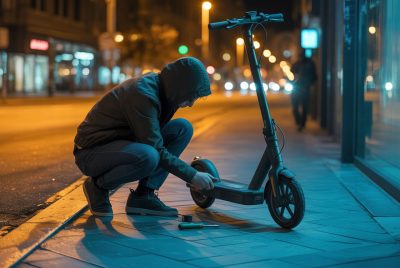
Proper maintenance extends scooter lifespan and preserves safety. Regular inspections should cover tire pressure and condition, brake function, lighting operation, and structural integrity. Battery care includes avoiding complete discharge, storing at moderate temperatures, and using manufacturer-recommended charging equipment.
Component replacement schedules depend on usage intensity and operating conditions. Tires require replacement when tread depth diminishes or punctures occur. Brake pads wear gradually and need periodic renewal. Electronic components generally prove reliable but may fail unexpectedly, particularly on budget models with lower component quality.
Environmental Impact and Sustainability
Carbon Footprint Reduction
Electric scooters contribute to reduced urban carbon emissions when replacing car trips. The environmental benefit depends on electricity generation sources and usage patterns. In regions with renewable energy grids, electric scooters offer substantial carbon savings. Even with fossil fuel-based electricity, the efficiency of electric motors compared to internal combustion engines provides net environmental benefits.
Lifecycle analysis must consider manufacturing impacts, material sourcing, and end-of-life disposal. Battery production involves environmentally intensive mining and processing operations. Responsible manufacturers implement recycling programs for used batteries and consider sustainability throughout product design.
Urban Planning Integration
Cities worldwide are adapting infrastructure to accommodate electric scooters and other micro-mobility solutions. Dedicated lanes, parking zones, and charging stations support growing scooter adoption. Integration with public transportation networks creates comprehensive mobility systems offering alternatives to private car ownership.
Successful integration requires balancing innovation with safety and accessibility concerns. Sidewalk clutter from improperly parked scooters creates problems for pedestrians, particularly those with mobility challenges. Regulatory frameworks continue evolving to address these challenges while enabling beneficial transportation alternatives.
“Electric scooters represent a transformative shift in urban transportation, offering efficient, affordable, and environmentally conscious mobility options. As technology advances and infrastructure adapts, these vehicles will play increasingly important roles in sustainable city planning and personal transportation choices.”
Future Developments and Industry Trends
Technological Advancements
Battery technology continues improving with higher energy density, faster charging, and extended lifecycles. Solid-state batteries promise significant advantages over current lithium-ion technology, potentially doubling range while reducing weight and fire risk. Motor efficiency improvements enable greater performance from smaller, lighter components.
Smart connectivity features expand beyond basic ride tracking to include navigation integration, theft prevention, and predictive maintenance alerts. Artificial intelligence applications may optimize power delivery based on terrain and riding style, maximizing efficiency and range. Over-the-air software updates enable feature additions and performance improvements throughout ownership.
Market Evolution
The electric scooter market continues maturing with increasing brand consolidation and quality standardization. Early-market challenges including safety concerns and regulatory uncertainty are gradually resolving through industry cooperation and government engagement. Mainstream manufacturers are entering the market, bringing established distribution networks and customer service capabilities.
Consumer preferences shift toward quality and reliability over pure price competition as the market matures. Brand reputation, warranty support, and after-sales service increasingly influence purchasing decisions. This evolution favors established manufacturers while creating opportunities for specialized brands delivering exceptional value propositions.
Regulatory Landscape
Governments worldwide are developing comprehensive frameworks for electric scooter regulation, addressing safety standards, operational rules, and infrastructure requirements. Standardization efforts aim to create consistent expectations across jurisdictions, simplifying compliance for manufacturers and users.
Future regulations may mandate advanced safety features including automatic speed limiting in designated zones, enhanced lighting systems, and integrated turn signals. Environmental standards could require minimum battery recyclability and sustainable manufacturing practices. These developments will shape product design and market dynamics in coming years.
Conclusion
JUNLING electric scooters represent an ambitious entry into the competitive micro-mobility market, offering specifications that challenge established brands at various price points. From the accessible T10 series to the performance-oriented JL86 Pro, the product lineup addresses diverse rider needs and budgets. The company’s manufacturing capabilities and focus on safety certifications demonstrate serious commitment to the electric scooter industry.
Potential buyers should carefully evaluate their specific requirements including daily range needs, terrain challenges, portability requirements, and budget constraints. While JUNLING offers compelling specifications on paper, factors like build quality, customer support, and long-term reliability require consideration. Comparing JUNLING models against established alternatives from Segway, Xiaomi, and other mainstream brands helps buyers make informed decisions.
The electric scooter market continues evolving rapidly with technological improvements and regulatory developments shaping available options. Whether JUNLING emerges as a lasting competitor or remains a value-focused alternative depends on execution quality and market response. For now, the brand offers intriguing options for riders prioritizing specifications and performance at competitive prices.
As urban transportation needs evolve and environmental concerns intensify, electric scooters will play increasingly significant roles in sustainable mobility solutions. Understanding available options, safety requirements, and practical considerations enables riders to maximize benefits while minimizing risks. The future of urban transportation includes diverse solutions with electric scooters serving as valuable components in comprehensive mobility ecosystems.
Frequently Asked Questions
What is the typical range of JUNLING electric scooters?
JUNLING electric scooters offer range capabilities varying by model, from approximately 30 miles on entry-level T10 versions to 75 miles on the premium JL86 Pro. Actual range depends on factors including rider weight, terrain, temperature, speed, and riding mode selection. Conservative estimates suggest riders should expect 60-80% of advertised range under normal conditions with moderate speeds and mixed terrain.
Are JUNLING electric scooters legal to ride on public roads?
Legality depends on local regulations which vary significantly by jurisdiction. Many areas restrict high-powered scooters from sidewalks, requiring operation in bike lanes or roadways. Some regions classify scooters exceeding certain power or speed thresholds as motor vehicles requiring registration and licensing. Riders must research applicable laws in their specific location before purchasing and operating any electric scooter.
How long does it take to charge JUNLING scooter batteries?
Charging time varies based on battery capacity and charger specifications. Entry-level models with smaller batteries typically charge in 4-6 hours, while premium models with larger capacity batteries may require 6-8 hours for complete charging. Some manufacturers offer fast-charging options reducing charging times by 30-50%, though rapid charging may impact long-term battery health if used exclusively.
What maintenance do JUNLING electric scooters require?
Regular maintenance includes checking tire pressure, inspecting brake function, testing lights, and examining frame integrity. Tires require replacement when tread wears down or punctures occur. Brake pads need periodic renewal depending on usage intensity. Battery care involves avoiding complete discharge, storing at moderate temperatures, and using approved charging equipment. Periodic professional servicing ensures optimal performance and safety.
Can JUNLING scooters handle wet weather and rain?
Most electric scooters including JUNLING models offer water resistance ratings indicating protection against splashing and light rain. However, submersion or heavy downpours may damage electrical components. Riders should avoid deep puddles, standing water, and severe weather conditions. After wet riding, drying the scooter and inspecting for water intrusion helps prevent corrosion and electrical problems. Manufacturers typically exclude water damage from warranty coverage.