Electric Scooter Buying Guide

*We may earn a commission for purchases made using our links. Please see our disclosure to learn more.
Electric scooters have rapidly transformed from novelty items into practical transportation solutions for urban commuters, students, and recreational riders alike. With cities becoming increasingly congested and environmental concerns taking center stage, these compact vehicles offer an appealing alternative to traditional transportation methods. However, the market is flooded with options ranging from budget-friendly models to premium performance machines, each promising different features and capabilities.
Choosing the right electric scooter requires careful consideration of multiple factors that directly impact safety, performance, and overall satisfaction. From understanding local regulations to evaluating technical specifications, prospective buyers must navigate a complex landscape of considerations. The investment in an electric scooter extends beyond the initial purchase price, encompassing maintenance costs, replacement parts, and potential insurance requirements. Making an informed decision ensures that the chosen scooter aligns with specific needs, budget constraints, and intended use cases.
“The electric scooter market is expected to grow substantially over the next decade as urban areas seek sustainable micro-mobility solutions. Understanding the technical specifications and matching them to personal needs is crucial for consumer satisfaction.”
— Transportation Research Board
Key Takeaways
- Legal regulations vary significantly by location and must be researched before purchase
- Battery capacity and motor power determine range and performance capabilities
- Weight capacity, portability, and build quality affect daily usability
- Safety features including brakes, lights, and suspension are essential considerations
- Total cost of ownership includes maintenance, insurance, and replacement parts
- Riding conditions and terrain should match the scooter’s specifications
Understanding Legal Requirements and Regulations
Before purchasing an electric scooter, understanding the legal landscape is paramount. Regulations governing electric scooter use vary dramatically across countries, states, and even individual municipalities. Some jurisdictions classify electric scooters as motorized vehicles requiring registration, insurance, and specific operator licenses, while others treat them similarly to bicycles with minimal restrictions.
Speed limitations represent a common regulatory concern. Many areas impose maximum speed limits, typically ranging from 15 to 20 miles per hour on public roads and pathways. Some regions prohibit electric scooter use on sidewalks entirely, mandating operation only in bike lanes or on roadways. Age restrictions frequently apply, with many jurisdictions requiring operators to be at least 16 or 18 years old.
Helmet requirements differ widely, with some locations mandating protective headgear for all riders while others only require helmets for younger operators. Insurance requirements, though less common, exist in certain regions and can add ongoing costs to scooter ownership. Additionally, some areas prohibit electric scooters altogether or restrict their use to designated zones.
Parking regulations deserve attention as well. Many cities have implemented specific parking zones for electric scooters and impose fines for improper parking that obstructs pedestrian pathways. Understanding these requirements prevents legal issues and potential penalties that could significantly increase the total cost of ownership.
Battery Capacity and Range Considerations
The battery serves as the heart of any electric scooter, directly influencing range, performance, and overall user experience. Battery capacity, measured in watt-hours (Wh) or amp-hours (Ah), determines how far a scooter can travel on a single charge. Most consumer electric scooters feature batteries ranging from 250Wh to 1000Wh or more, with larger capacities enabling longer trips between charges.
Real-world range often differs significantly from manufacturer claims. Factors affecting actual range include rider weight, terrain elevation changes, weather conditions, tire pressure, riding speed, and the frequency of acceleration and braking. A scooter advertised with a 25-mile range might only achieve 15-18 miles under demanding conditions with a heavier rider navigating hilly terrain.
Battery chemistry matters considerably. Lithium-ion batteries dominate the market due to their favorable energy density, weight, and longevity. However, battery quality varies between manufacturers, with premium cells offering better performance, safety, and durability. Cheaper scooters may use lower-quality batteries that degrade more quickly, requiring expensive replacements sooner than expected.
Charging time represents another crucial consideration. Most electric scooters require 3-8 hours for a complete charge, though some models offer fast-charging capabilities. The ability to remove the battery for charging separately adds convenience, particularly for individuals living in apartments or multi-story buildings without easy access to outdoor power outlets.
Battery lifespan typically ranges from 300 to 1000 charge cycles before capacity degradation becomes noticeable. Understanding the replacement cost of batteries is essential, as quality batteries can cost several hundred dollars. Some manufacturers offer battery warranties, providing protection against premature failure.
Motor Power and Performance Specifications
Motor power, measured in watts, directly correlates with acceleration, hill-climbing ability, and maximum speed. Entry-level scooters typically feature motors ranging from 250 to 350 watts, suitable for flat terrain and lighter riders. Mid-range models offer 500 to 750 watts, providing better performance on moderate inclines and more responsive acceleration. High-performance scooters can feature motors exceeding 1000 watts or even dual-motor configurations for maximum power.
Hill-climbing ability becomes particularly important for riders in areas with significant elevation changes. A scooter with insufficient motor power will struggle on steep inclines, potentially requiring the rider to dismount and walk or causing the motor to overheat. Manufacturers often specify maximum grade percentages, indicating the steepest incline the scooter can handle while maintaining reasonable speed.
Top speed varies considerably across models, typically ranging from 15 to 40 miles per hour. While higher speeds may seem appealing, they come with increased safety risks and may exceed legal limits in many jurisdictions. Additionally, riding at maximum speed significantly reduces range as the motor consumes more power.
Acceleration characteristics affect urban riding experience. Scooters with smooth, controlled acceleration provide safer operation in traffic, while overly aggressive acceleration can be challenging to control, particularly for inexperienced riders. Some models offer multiple speed modes, allowing riders to adjust performance based on conditions and skill level.
Motor placement—hub-mounted versus mid-drive—influences performance characteristics. Hub motors integrate directly into the wheel, offering simplicity and lower maintenance, though they can affect handling. Mid-drive motors provide better weight distribution and typically deliver more torque, improving hill-climbing performance.
Weight Capacity and Build Quality
Electric scooters specify maximum weight capacities, typically ranging from 220 to 330 pounds. Exceeding this limit compromises safety, reduces performance, accelerates wear on components, and may void warranties. Riders should consider not only their body weight but also any cargo, backpacks, or additional items they plan to transport.
Build quality significantly impacts durability, safety, and long-term satisfaction. The frame material—typically aluminum, steel, or carbon fiber—affects strength, weight, and corrosion resistance. Aerospace-grade aluminum offers an excellent balance of strength and weight, while steel provides durability at the expense of additional weight. Carbon fiber, though expensive, delivers exceptional strength-to-weight ratios.
Weld quality and construction techniques reveal much about overall build standards. Poor welds, visible gaps, or misaligned components suggest lower manufacturing standards that may lead to premature failures. Premium scooters feature reinforced stress points, quality control measures, and rigorous testing protocols.
Water resistance ratings, indicated by IP (Ingress Protection) ratings, determine the scooter’s ability to withstand wet conditions. An IPX4 rating indicates splash resistance, while IPX7 suggests the scooter can withstand temporary immersion. Riding in rain without adequate water resistance can damage electrical components and create safety hazards.
Warranty coverage reflects manufacturer confidence in product quality. Comprehensive warranties covering the frame, motor, battery, and electronic components for at least one year suggest better quality and provide financial protection. Understanding warranty terms, including what’s covered and what actions void coverage, prevents unexpected expenses.
Suspension and Ride Comfort
Suspension systems dramatically affect ride comfort, particularly on uneven surfaces, potholed roads, or rough terrain. Electric scooters employ various suspension configurations, from simple spring systems to sophisticated hydraulic setups. The absence of suspension entirely, common on budget models, transmits every bump directly to the rider, causing fatigue and discomfort on longer rides.
Front suspension, rear suspension, or dual-suspension systems each offer different benefits. Front suspension improves steering control and comfort over obstacles, while rear suspension enhances overall ride smoothness. Dual-suspension systems provide maximum comfort but add weight and cost.
Tire selection works in conjunction with suspension to influence ride quality. Pneumatic (air-filled) tires offer superior shock absorption and traction but require maintenance and can puncture. Solid tires eliminate puncture concerns but provide harsher rides and less grip. Some scooters feature honeycomb or foam-filled tires, attempting to balance puncture resistance with comfort.
Tire size affects both comfort and performance. Larger tires, typically 10 inches or more in diameter, roll over obstacles more easily and provide better stability at higher speeds. Smaller tires, while more compact, transmit more vibrations and feel less stable on rough surfaces.
Deck size and design influence comfort during extended rides. Wider decks accommodate various foot positions, reducing fatigue, while adequate grip tape prevents slipping in wet conditions. Some premium models feature cushioned deck surfaces for additional comfort.
Braking Systems and Safety Features
Reliable braking systems represent perhaps the most critical safety consideration. Electric scooters employ various braking technologies, each with distinct advantages and limitations. Disc brakes—either mechanical or hydraulic—offer strong, consistent stopping power in various conditions. Hydraulic disc brakes provide superior modulation and require less finger force but cost more and need occasional maintenance.
Electronic brakes, including regenerative systems, use the motor to slow the scooter while recovering some energy back to the battery. While useful for moderate speed reduction, electronic brakes alone rarely provide sufficient stopping power for emergency situations and should complement mechanical braking systems.
Drum brakes, enclosed within the wheel hub, offer good performance with minimal maintenance but can fade under prolonged use and feel less responsive than disc brakes. Foot brakes, where the rider presses on the rear fender, provide backup stopping power but wear quickly and lack precision.
Dual braking systems—typically combining front and rear brakes—offer optimal safety, allowing better control and shorter stopping distances. The ability to modulate brake pressure between wheels prevents wheel lockup and potential loss of control.
Lighting systems extend safe riding into evening hours. Integrated front headlights and rear taillights improve visibility to other road users. High-quality lights should provide adequate illumination for seeing obstacles ahead, not merely making the rider visible. Some premium models include brake lights that activate when slowing, alerting following traffic.
Reflective elements, including side reflectors and reflective deck tape, enhance visibility from multiple angles. Turn signals, though less common, significantly improve safety in traffic by clearly communicating intentions to other road users.
Additional safety features might include kickstands that prevent the scooter from rolling when parked, finger throttles that allow precise speed control, and UL certification indicating the electrical system meets recognized safety standards.
Portability and Storage Requirements
For many users, portability significantly influences satisfaction with an electric scooter. Commuters who combine scooter travel with public transportation or those living in apartments without dedicated storage space require easily portable options. Weight represents the primary portability factor, with most electric scooters ranging from 25 to 65 pounds.
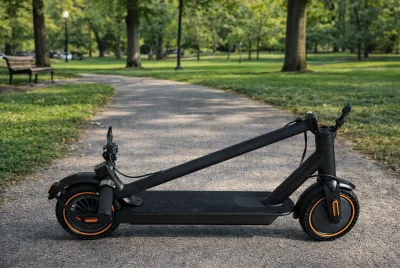
Folding mechanisms enable compact storage and transportation. Quality folding systems should be intuitive, secure, and reliable. Poorly designed mechanisms may fail, become loose over time, or require excessive force to operate. Some scooters fold in seconds with one-hand operation, while others require multiple steps and both hands.
Folded dimensions determine whether a scooter fits in car trunks, under desks, or in apartment closets. Even lightweight scooters with bulky folded profiles can be impractical for daily portability needs. Carrying handles or straps facilitate transportation when folded.
Stem height adjustability allows multiple users of different heights to ride comfortably, though adjustable stems may introduce potential weak points. Fixed-height stems typically offer greater strength but limit multi-user versatility.
Maintenance Requirements and Costs
Understanding ongoing maintenance requirements prevents unexpected expenses and ensures longevity. Electric scooters require regular maintenance similar to bicycles, including tire pressure checks, brake adjustments, and bolt tightening. However, electrical components add complexity requiring specialized knowledge for some repairs.
Tire replacement frequency depends on riding style, terrain, and tire type. Pneumatic tires may need replacement every 500-2000 miles, with costs ranging from modest to significant depending on the model. Solid tires last longer but eventually wear down, particularly on the rear wheel where motor power is transmitted.
Brake pads, especially on disc brake systems, require periodic replacement. Riding style dramatically affects brake pad longevity, with aggressive riders needing replacements more frequently. Replacement parts availability varies by manufacturer, with popular brands offering readily available components while obscure brands may require lengthy waits for parts shipping internationally.
Battery replacement represents the most significant maintenance expense. As mentioned earlier, batteries degrade over time and eventually require replacement. Understanding whether the manufacturer offers replacement batteries and their cost helps predict long-term ownership expenses.
Electronic component failures can occur, particularly in scooters exposed to water despite inadequate IP ratings. Controllers, displays, and wiring harnesses may need replacement, with costs and availability varying significantly between manufacturers.
Some manufacturers provide extensive documentation, instructional videos, and responsive customer support, enabling users to perform basic maintenance independently. Others offer limited support, necessitating professional service that may be unavailable in some areas.
Price Considerations and Value Assessment
Electric scooter prices span a vast range, from under $300 for basic models to over $3000 for premium performance machines. Price generally correlates with quality, performance, and features, though exceptions exist. Understanding what differentiates price points helps identify genuine value.
Budget scooters under $400 typically feature smaller batteries, lower-power motors, basic components, and minimal suspension. They suit short-distance riders with limited performance requirements but often compromise on build quality and durability. These models frequently lack water resistance, offer limited warranties, and may require earlier replacement.
Mid-range scooters between $400 and $1200 represent the sweet spot for many consumers, offering balanced performance, decent build quality, and reasonable range. These models typically include suspension, adequate lighting, reliable braking systems, and sufficient power for most urban environments.
Premium scooters exceeding $1200 deliver exceptional performance, extended range, superior build quality, and advanced features. They suit enthusiasts, performance-oriented riders, and those requiring maximum reliability and capability. However, their benefits may be unnecessary for casual riders with modest requirements.
Assessing value requires comparing specifications against intended use. A commuter traveling 8 miles daily on flat terrain needs vastly different specifications than someone navigating hilly terrain for recreational rides. Overspending on unnecessary features wastes money, while under-buying leads to disappointment and potentially purchasing a second scooter.
Total cost of ownership extends beyond the purchase price. Insurance, where required or desired, adds ongoing expenses. Replacement parts, maintenance supplies, and potential professional service costs accumulate over time. Accessories including helmets, locks, additional lighting, and storage bags represent additional investments.
Brand Reputation and Customer Support
Brand reputation provides insight into reliability, customer satisfaction, and long-term support. Established manufacturers with positive reviews across multiple platforms typically offer better products and service than unknown brands with limited track records. However, newer companies occasionally deliver exceptional products that compete with established players.
Customer support quality becomes crucial when problems arise. Responsive companies with accessible support teams, clear warranty processes, and readily available replacement parts make ownership far less stressful. Companies difficult to contact or slow to respond create frustration when issues occur.
Online reviews, while valuable, require careful evaluation. Fake reviews exist on many platforms, and extremely positive or negative reviews may not represent typical experiences. Reading reviews across multiple sources and focusing on detailed, balanced feedback provides better insights.
Community support, including active user forums, social media groups, and YouTube channels dedicated to specific models, indicates healthy user bases willing to share knowledge, troubleshooting advice, and modification ideas.
Testing and Purchase Considerations
Whenever possible, test riding before purchasing provides invaluable insights that specifications alone cannot convey. Many retailers offer test rides, allowing prospective buyers to assess comfort, handling, power delivery, braking feel, and build quality firsthand.
During test rides, evaluate comfort over various surfaces, test acceleration and braking at different speeds, assess the intuitiveness of controls, and determine whether the ergonomics suit personal preferences. Pay attention to unusual noises, vibrations, or handling characteristics that might indicate quality issues.
Purchasing from reputable retailers, whether online or brick-and-mortar, provides consumer protections and recourse if problems arise. While direct-from-manufacturer purchases sometimes offer cost savings, established retailers may provide better support, easier returns, and local service options.
Used electric scooters can offer value, though they carry risks. Battery condition, particularly its remaining capacity and charge cycles, significantly affects value. Structural damage, even if repaired, may compromise safety. Lack of warranty coverage on used models means buyers assume all repair costs.
Conclusion
Purchasing an electric scooter requires thoughtful consideration of numerous factors that collectively determine whether the chosen model meets needs, expectations, and budget constraints. Legal regulations, performance specifications, safety features, build quality, and total cost of ownership all play crucial roles in the decision-making process.
The ideal electric scooter varies dramatically based on individual circumstances. Commuters prioritize reliability, range, and portability. Recreational riders may emphasize performance and features. Budget-conscious buyers seek value without compromising essential safety and quality standards.
Taking time to research thoroughly, test ride when possible, and honestly assess personal requirements leads to satisfying purchases that provide years of reliable service. Rushing the decision or focusing solely on price often results in buyer’s remorse and potentially unsafe equipment.
The electric scooter market continues evolving, with manufacturers constantly improving technology, reducing costs, and expanding capabilities. Staying informed about the latest developments, understanding personal priorities, and matching specifications to intended use ensures that the investment in an electric scooter enhances mobility, reduces environmental impact, and provides enjoyable, practical transportation.
Frequently Asked Questions
How long do electric scooter batteries typically last?
Electric scooter batteries typically last between 2-4 years or 300-1000 charge cycles, depending on battery quality, usage patterns, and maintenance. Factors affecting battery lifespan include charging habits, storage temperatures, depth of discharge, and overall care. Premium lithium-ion batteries from reputable manufacturers generally last longer than cheaper alternatives. Proper battery maintenance, such as avoiding complete discharges, storing at moderate temperatures, and regular use, can extend battery life significantly.
Can electric scooters be ridden in the rain?
Whether an electric scooter can be ridden in rain depends on its IP water resistance rating. Scooters with IPX4 ratings can handle light rain and splashes, while those with IPX5 or higher ratings offer better protection against heavier rain. However, even water-resistant scooters should avoid deep puddles, submersion, or prolonged exposure to heavy rain. Riding in wet conditions also affects traction and braking performance, requiring increased caution. Always verify the manufacturer’s water resistance specifications before riding in wet weather.
What is the average range of an electric scooter on a single charge?
Average electric scooter range varies significantly based on battery capacity, motor power, rider weight, terrain, and riding conditions. Budget models typically offer 10-15 miles, mid-range scooters provide 15-25 miles, and premium models can achieve 30-60 miles or more. Real-world range often falls short of manufacturer claims when accounting for hills, heavier riders, cold weather, and aggressive riding. For accurate range expectations, reduce manufacturer claims by 20-30% to account for real-world conditions.
Do electric scooters require insurance?
Insurance requirements for electric scooters vary by location. Some jurisdictions classify them as motor vehicles requiring liability insurance, while others do not mandate coverage. Even where not legally required, insurance may be worthwhile to protect against theft, damage, or liability for injuries or property damage caused to others. Some homeowners or renters insurance policies may cover electric scooters under personal property protection, though specialized policies designed for electric scooters often provide more comprehensive coverage.
How fast can electric scooters go?
Electric scooter speeds range from 15 mph on entry-level models to over 40 mph on high-performance scooters. However, legal speed limits in many areas restrict electric scooters to 15-20 mph on public roads and paths. Faster speeds increase safety risks, reduce range significantly, and may exceed legal restrictions. Most riders find speeds between 15-20 mph adequate for commuting and recreational use while maintaining reasonable safety margins. Always verify local speed regulations and prioritize safety over maximum speed capabilities.