Windone Electric Scooter: Complete Guide
*We may earn a commission for purchases made using our links. Please see our disclosure to learn more.
Electric scooters have revolutionized urban mobility, offering commuters an eco-friendly, efficient alternative to traditional transportation. Among the growing selection of e-scooters available today, Windone has carved out a distinct position with models that emphasize affordability without sacrificing essential features. These scooters deliver practical performance for daily commuting, campus travel, and short-distance trips while maintaining competitive pricing that makes electric mobility accessible to a broader audience.
“The WindOne E2 offers incredible value with premium features like hydraulic brakes and full suspension at an affordable price point.”
– Electric Revolution Reviews
Key Takeaways
- Windone electric scooters feature a 350W brushless motor with 430W peak power, reaching speeds up to 19 mph
- The dual-tire system combines a 10-inch solid front tire and pneumatic rear tire for balanced durability and comfort
- UL 2272 certification ensures safety standards are met, providing peace of mind for daily riders
- Battery capacity of 36V/7.8AH delivers a maximum range of approximately 17 miles under optimal conditions
- Dual braking system integrates E-Brake and drum brake for reliable stopping performance
- Three-second folding mechanism and 37.8-pound weight enable easy storage and portability
- LED display provides real-time information on speed, battery level, and riding modes
Recommended Windone Electric Scooters
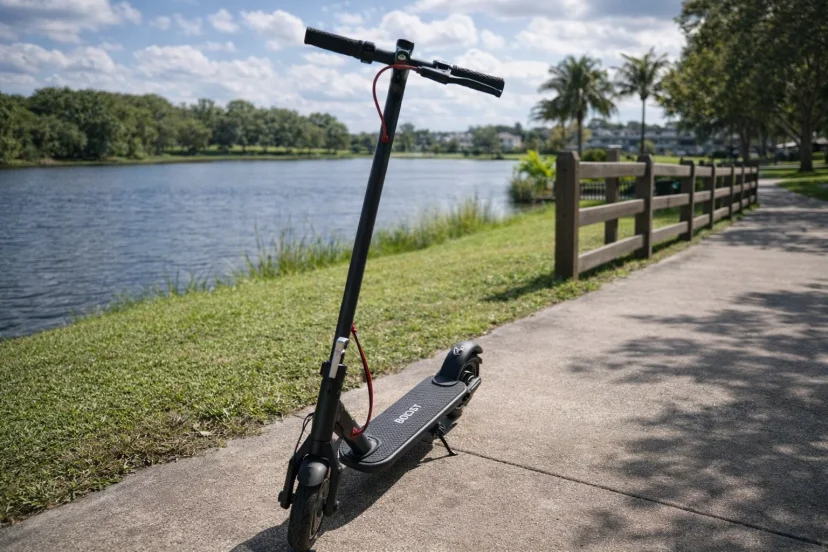
Windone Electric Scooter for Adults & Teens


The Windone Electric Scooter is built for adults who want a reliable, comfortable, and portable solution for daily commuting. Powered by a 430W peak motor, it delivers smooth acceleration and reaches speeds of up to 19 MPH, making it ideal for city streets and campus rides. Its 36V 7.8Ah battery provides a practical range of up to 17 miles under optimal conditions, reducing the need for frequent charging.
- Performance: 430W peak motor delivers steady acceleration and a top speed of 19 MPH for efficient commuting.
- Comfort: 10-inch shock-absorbing pneumatic tires provide a smooth ride on rough or uneven surfaces.
- Portability: Quick-folding design makes the scooter easy to carry, store, and transport.
- Range: The 17-mile maximum range may be limiting for longer daily commutes.
- Weight Capacity: Supports up to 220 lbs, which may not suit heavier riders.
- Charging Time: Full recharge can take several hours, limiting back-to-back long rides.
The Windone Electric Scooter is designed to balance power, safety, and convenience for adult riders navigating busy urban environments. With its 430W peak motor and 19 MPH top speed, it provides enough performance to keep up with traffic while remaining stable and easy to control. The scooter’s 17-mile range suits short to mid-range commutes, campus travel, and casual weekend rides.
Understanding Windone Electric Scooter Performance
Performance specifications form the foundation of any electric scooter’s capabilities. The Windone electric scooter utilizes a 350W electric brushless hub motor that peaks at 430W during acceleration or hill climbing. This power output enables the scooter to achieve maximum speeds of 19 mph under optimal conditions, though actual performance varies based on rider weight, terrain, and battery level.
The battery system employs a 36V/7.8AH lithium-ion configuration, providing sufficient energy storage for approximately 17 miles of range. Real-world range depends significantly on riding mode, rider weight, terrain elevation, and environmental conditions. Riders using the scooter primarily in sport mode at maximum speeds will experience reduced range compared to those using eco mode on flat terrain.
The dual braking system represents a critical safety feature, combining electronic regenerative braking with a mechanical drum brake. The E-Brake component not only provides stopping power but also recovers energy during deceleration, extending overall battery life. The drum brake offers consistent mechanical stopping capability independent of electronic systems, ensuring fail-safe braking even if electrical components malfunction.
Tire Configuration and Ride Quality
Tire design significantly impacts ride comfort and maintenance requirements. Windone employs a hybrid approach with a 10-inch solid front tire paired with a 10-inch pneumatic rear tire. This combination balances puncture resistance with shock absorption capabilities.
The solid front tire eliminates concerns about flats and punctures, reducing maintenance requirements and ensuring consistent performance regardless of road conditions. While solid tires transmit more vibration than pneumatic alternatives, positioning the solid tire at the front where steering precision matters most proves advantageous for handling characteristics.
The pneumatic rear tire serves as the primary shock absorption component, cushioning impacts from bumps, cracks, and uneven pavement. Air-filled tires naturally flex and compress when encountering obstacles, significantly improving ride comfort compared to all-solid configurations. The rear position allows the pneumatic tire to absorb the majority of road irregularities before they reach the rider.
This dual-tire approach represents a practical compromise between maintenance-free operation and ride comfort. Riders avoid the hassle of frequent tire pressure checks and potential flats while still benefiting from meaningful shock absorption where it matters most.
Design Features and Build Quality
The Windone electric scooter emphasizes practical design choices focused on daily commuting needs. The deck width exceeds many competing models, providing riders with increased stability and comfortable foot placement. The non-slip textured surface maintains grip even in wet conditions, enhancing safety during variable weather.
Structural materials utilize lightweight yet durable aluminum alloy construction, contributing to the scooter’s 37.8-pound total weight. This mass strikes a balance between stability during operation and manageable portability when folded. While lighter than many budget alternatives, the scooter maintains sufficient structural rigidity to support the 220-pound maximum weight capacity.
The folding mechanism enables collapse in approximately three steps, though Windone markets a three-second folding time with practice. The stem folds down against the deck, reducing the scooter to compact dimensions suitable for car trunks, closets, under desks, or public transportation storage areas. The folding mechanism includes a locking mechanism to prevent accidental collapse during riding.
Front and rear lighting systems enhance visibility and safety during low-light conditions. The front LED headlight illuminates the path ahead, while the rear brake light activates when braking to alert following traffic. These integrated lighting systems prove particularly valuable for commuters traveling during dawn, dusk, or nighttime hours.
Display and User Interface
Modern electric scooters benefit from informative displays that keep riders informed about critical operating parameters. The Windone scooter features an LED display positioned on the handlebar for easy viewing during operation. This display presents real-time data including current speed, selected riding mode, remaining battery percentage, accumulated mileage, and headlight status.
Multiple riding modes allow users to optimize performance for different situations. Eco mode prioritizes range extension through reduced power output and lower top speeds. Standard mode balances performance and efficiency for typical commuting scenarios. Sport mode unleashes maximum motor power and speed capabilities for situations requiring quick acceleration or hill climbing ability.
The display interface enables mode switching through handlebar-mounted controls, allowing riders to adjust performance characteristics without stopping. This convenient adjustment capability proves valuable when transitioning between different road conditions or traffic scenarios.
Battery level indication helps riders avoid unexpected power depletion. The display typically shows battery status through percentage indicators or segmented bars, providing clear feedback about remaining range. Understanding battery status becomes particularly important for commuters planning round-trip journeys or multi-stop errands.
Safety Considerations and Certifications
Safety certifications provide independent verification that electric scooters meet established standards for electrical and fire safety. Windone electric scooters carry UL 2272 certification, indicating compliance with stringent testing requirements covering battery management systems, charger safety, electrical components, and overall product integrity.
The UL 2272 standard emerged following safety concerns about early hoverboards and personal electric vehicles. Testing evaluates numerous failure scenarios including battery overcharge protection, short circuit prevention, impact resistance, and thermal management. Products passing this certification demonstrate reduced risk of fire, electrical shock, and other safety hazards.
Beyond certification compliance, responsible scooter operation requires appropriate safety equipment. Helmets provide essential head protection in case of falls or collisions, significantly reducing injury severity. Many jurisdictions legally require helmet use for electric scooter riders, particularly for younger users.
Additional protective equipment including knee pads, elbow pads, and wrist guards offer extra protection for less experienced riders or those operating in challenging environments. Visibility enhancement through reflective clothing or additional lights improves safety when riding in traffic or low-light conditions.
Understanding local regulations governing electric scooter operation proves essential for legal compliance. Speed limits, age restrictions, helmet requirements, and permitted riding locations vary significantly between jurisdictions. Some areas prohibit sidewalk riding, while others restrict scooter access to bike lanes or designated paths.
Maintenance and Longevity
Proper maintenance extends scooter lifespan and ensures consistent performance over time. The solid front tire requires minimal attention beyond occasional cleaning to remove debris. The pneumatic rear tire needs regular pressure checks to maintain optimal inflation, typically every few weeks depending on usage frequency.
Battery care significantly impacts long-term performance and capacity retention. Lithium-ion batteries perform best when maintained between 20-80% charge levels for regular use, though complete charging cycles remain necessary periodically for battery management system calibration. Avoiding complete discharge extends overall battery lifespan by reducing stress on individual cells.
Storage conditions affect battery health during periods of non-use. Extended storage in extreme temperatures—either hot or cold—accelerates capacity degradation. Optimal storage involves maintaining approximately 50% charge level in climate-controlled environments. For seasonal storage lasting months, checking and refreshing charge every few months prevents excessive discharge.
Brake systems require periodic inspection and adjustment. The drum brake may need occasional tension adjustment as brake components wear over time. The electronic brake system typically requires no maintenance beyond ensuring clean electrical connections, though firmware updates may occasionally enhance performance.
Regular cleaning removes accumulated dirt, salt, and debris that can corrode electrical connections or mechanical components. Using a damp cloth rather than high-pressure water prevents moisture intrusion into sensitive electrical areas. Particular attention to stem folding mechanisms, brake cables, and display connections helps maintain reliable operation.
Comparative Value Analysis
Windone positions its electric scooters in the budget-to-mid-range segment, typically priced between $175-250 depending on sales and promotions. This pricing strategy makes electric mobility accessible to cost-conscious consumers while delivering features previously limited to premium models.
Compared to similar budget alternatives, Windone scooters offer competitive specifications including the hybrid tire system, UL safety certification, and comprehensive LED display. The 350W motor output matches or exceeds many competitors in this price bracket, while the 17-mile range proves adequate for typical commuting distances.
Premium scooters costing $400-800 typically offer advantages including more powerful motors, longer ranges, larger battery capacities, superior suspension systems, and enhanced build quality. These higher-end models justify increased costs through improved performance, durability, and feature sets suited to demanding users or longer commutes.
The decision between budget and premium options depends on individual needs and usage patterns. Commuters traveling 5-10 miles daily on reasonably smooth pavement find budget models like Windone entirely adequate. Those facing longer distances, challenging terrain, or seeking maximum performance benefit from premium alternatives despite higher initial investment.
Environmental Impact and Sustainability
Electric scooters contribute to reduced urban emissions by providing zero-emission alternatives to gasoline-powered vehicles. Short trips under five miles—representing a significant portion of urban travel—prove particularly suitable for electric scooter replacement of car journeys, eliminating cold-start emissions and reducing overall carbon footprints.
The environmental equation becomes more complex when considering manufacturing impacts and electricity sources. Battery production involves resource extraction and energy-intensive processing, while scooter manufacturing consumes materials and energy. However, life-cycle analyses generally favor electric scooters over internal combustion alternatives when vehicles achieve reasonable service lives.
Electricity sourcing significantly affects overall environmental benefits. Charging scooters with renewable energy sources maximizes emission reductions, while electricity from coal-fired plants reduces but doesn’t eliminate the environmental advantage over gasoline vehicles. As electrical grids incorporate increasing renewable energy percentages, electric scooter environmental benefits continue improving.
Battery disposal and recycling present ongoing challenges for the electric vehicle industry. Lithium-ion batteries contain valuable materials including lithium, cobalt, and nickel that can be recovered and reused. Proper recycling through specialized facilities prevents environmental contamination while recovering materials for new battery production, reducing the need for virgin resource extraction.
Real-World Usage Scenarios
Urban commuters find electric scooters particularly valuable for last-mile connections between homes and public transportation stations. The Windone scooter’s folding capability allows riders to combine scooter travel with bus, subway, or train journeys, expanding practical commuting range while avoiding parking challenges associated with cars.
Campus environments represent ideal electric scooter territory, with controlled speeds, short distances between buildings, and relatively smooth pathways. Students appreciate the time savings compared to walking and the convenience compared to bicycles requiring parking facilities and lock security.
Light recreational use including neighborhood exploration, park visits, or casual rides provides enjoyable leisure activities while familiarizing riders with scooter operation in low-stress environments. Recreational riding helps develop confidence and skills before tackling more demanding commuting scenarios.
Running short errands to nearby stores or offices becomes more efficient with electric scooters compared to driving and parking cars. The combination of moderate speed and compact size allows quick trips that might otherwise require vehicle operation for distances too far for comfortable walking.
Weather conditions significantly impact electric scooter usability and safety. Light rain generally proves manageable with appropriate precautions, though riders should reduce speeds and exercise extra caution on wet surfaces. Heavy rain, snow, or icy conditions require avoiding scooter use due to traction limitations and visibility challenges.
Warranty and Customer Support
Windone provides a one-year warranty covering the complete scooter, with an additional six-month warranty for specific components. This coverage addresses manufacturing defects and component failures under normal use conditions, providing buyers with protection against premature product failure.
Warranty terms typically exclude damage from accidents, improper use, unauthorized modifications, or normal wear items like tires and brake pads. Understanding coverage limitations helps set realistic expectations about which repairs qualify for warranty service versus those requiring out-of-pocket payment.
Customer support availability proves crucial when issues arise. Windone offers support channels including email contact and potentially phone support, though response times and support quality may vary. Reading customer reviews about support experiences provides insight into typical service levels before purchase.
Replacement parts availability affects long-term ownership costs and convenience. Common wear items like brake cables, tires, and batteries should remain available for several years following purchase. Proprietary components unique to specific models may prove harder to source, potentially complicating repairs for older scooters.
Conclusion
The Windone electric scooter represents a practical entry point into electric mobility for budget-conscious consumers seeking reliable daily transportation. The combination of adequate motor power, reasonable range, safety certifications, and thoughtful features like the hybrid tire system delivers functional performance for typical urban commuting scenarios.
While premium alternatives offer superior performance, range, and build quality, Windone’s value proposition centers on providing essential e-scooter capabilities at accessible price points. Riders with moderate commuting distances, smooth riding surfaces, and budget constraints find these scooters deliver satisfactory performance without premium pricing.
Success with any electric scooter depends on matching product capabilities to actual usage requirements. Understanding performance limitations, maintaining realistic expectations, and following proper care procedures ensures Windone scooters serve reliably within their intended design parameters. For many urban commuters seeking alternatives to cars, public transit, or walking, these affordable electric scooters provide viable solutions worth serious consideration.
Frequently Asked Questions
What is the maximum weight capacity of Windone electric scooters?
Windone electric scooters typically support a maximum weight capacity of 220 pounds. Exceeding this limit affects performance parameters including acceleration, top speed, braking distance, and range. Heavier riders experience reduced battery efficiency and may notice decreased hill-climbing ability. The weight limit includes both rider weight and any cargo being transported, so additional bags or items count toward the total capacity.
How long does it take to fully charge the Windone scooter battery?
A complete charge cycle for the Windone electric scooter requires approximately 5-6 hours when using the included charger. Charging time varies slightly based on battery depletion level, with partial recharges completing faster than full cycles from empty. Using only the manufacturer-provided charger ensures proper voltage and current delivery, preventing battery damage from incompatible charging equipment. Overnight charging proves convenient for daily commuters, ensuring full battery capacity each morning.
Can Windone electric scooters handle hills and inclines?
The 350W motor provides moderate hill-climbing capability, handling inclines up to approximately 15 degrees depending on rider weight and battery charge level. Steeper hills require reduced speed and may prove challenging for heavier riders. The sport mode delivers maximum motor power for hill climbing, though this accelerates battery depletion. Riders in hilly terrain should consider scooters with more powerful motors if frequent steep climbs are necessary for regular commuting routes.
Is the Windone electric scooter suitable for riding in rain?
While Windone scooters include basic water resistance, they are not fully waterproof and should be avoided during heavy rain. Light rain or damp conditions prove manageable with caution, though riders should reduce speeds significantly due to decreased traction on wet surfaces. The solid front tire maintains better wet traction than some alternatives, but braking distances increase substantially on wet pavement. After exposure to moisture, drying the scooter and checking electrical connections helps prevent corrosion and electrical issues.
What maintenance does a Windone electric scooter require?
Regular maintenance includes checking the pneumatic rear tire pressure weekly, inspecting brakes monthly for proper adjustment, and cleaning the scooter to prevent debris accumulation. The solid front tire requires no pressure maintenance but should be inspected for damage or excessive wear. Battery care involves avoiding complete discharge when possible and storing the scooter with 40-60% charge during extended non-use periods. Periodically checking stem folding mechanisms, tightening any loose bolts, and inspecting electrical connections ensures continued reliable operation throughout the scooter’s service life.