Mastering Electric Scooter Posture and Ergonomics
*We may earn a commission for purchases made using our links. Please see our disclosure to learn more.
Electric scooters have transformed urban mobility, offering a convenient and eco-friendly alternative to traditional transportation. However, the growing popularity of these devices has brought attention to an often-overlooked aspect of riding: proper posture and ergonomics. Many riders experience discomfort, fatigue, or even chronic pain due to poor riding positions and improperly configured scooters. Understanding the biomechanics of scooter riding and implementing ergonomic principles can significantly enhance comfort, reduce injury risk, and improve overall riding experience.
The human body wasn’t designed for prolonged standing in a static position while navigating through traffic and varying terrain. Electric scooter riders face unique ergonomic challenges that differ from cycling or walking. The standing position, combined with vibrations from the road, requires constant micro-adjustments from muscles and joints. Without proper attention to posture and scooter setup, riders may develop tension in the neck, shoulders, lower back, and wrists. These issues can escalate from minor annoyances to serious musculoskeletal problems over time.
“Proper ergonomics in personal mobility devices isn’t just about comfort—it’s about preventing chronic injuries that can develop over months or years of daily use. The standing position on electric scooters requires conscious attention to body alignment and regular movement to avoid muscle imbalances.”
— American Physical Therapy Association, Guidelines for Personal Mobility Device Use
Key Takeaways
- Proper handlebar height should align with the rider’s waist or hip level to maintain neutral spine position
- Weight distribution between feet and engagement of core muscles prevents lower back strain
- Regular posture adjustments during rides reduce muscle fatigue and improve circulation
- Deck width and length significantly impact stance comfort and stability
- Suspension systems and larger wheels minimize vibration-related joint stress
- Ergonomic grips and adjustable stems accommodate different body types and riding styles
Recommended Electric Scooters with Superior Ergonomics
1. Segway Ninebot MAX G30LP

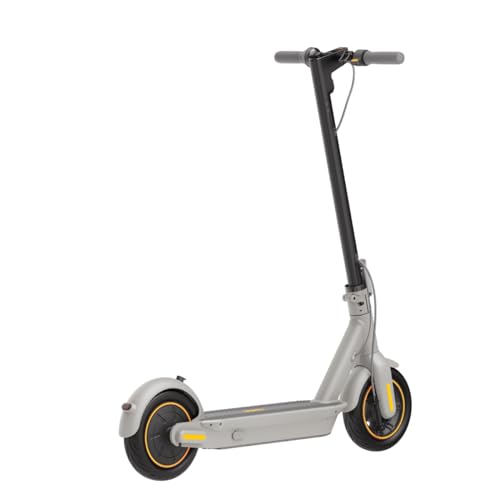

The Segway Ninebot MAX Electric Kick Scooter is designed for riders who want a balance of speed, durability, and convenience. Featuring a powerful 350W motor, this scooter reaches speeds of up to 18.6 mph and offers an impressive 25-mile range on a single charge. Built with 10-inch pneumatic tires and a shock absorption system, it delivers a smooth and stable ride, even on uneven terrain. Weighing only 38.6 lbs, it folds easily for portability, making it perfect for daily commutes or urban adventures. Certified to UL-2272 safety standards, the MAX G30LP ensures reliability, efficiency, and top-tier performance.
- Long Battery Life – Travel up to 25 miles on a single charge.
- Smooth Ride – 10-inch tires with shock absorption for enhanced comfort.
- Foldable & Portable – Lightweight design for easy transport and storage.
- No Dual Suspension – Shock absorption is decent but not as smooth as the MAX G2 model.
- Limited Weight Capacity – Supports up to 220 lbs, which may not suit all riders.
- Slower on Steep Hills – Performance may decrease on inclines above 20%.
This popular commuter scooter features a wide deck and adjustable handlebar height, making it suitable for riders of various sizes. The pneumatic tires provide excellent shock absorption, reducing the impact on joints during longer rides. The spacious deck allows for natural foot positioning and easy stance changes.
2. Apollo Go Electric Scooter


The Apollo Electric Scooter is a high-performance commuter scooter designed for adults seeking speed, power, and comfort. With dual 350W motors (1,500W peak output), it reaches speeds of up to 28 mph and can handle 25% grade hills with ease. The 21700 battery cells offer an impressive range of 30 miles in eco mode, making it ideal for longer commutes. Featuring self-healing tires, advanced suspension, and a 360° lighting system, the Apollo ensures a safe, smooth, and worry-free ride.
- High-Speed Performance – Reaches up to 28 mph with strong acceleration.
- Long Battery Life – Up to 30 miles per charge for extended rides.
- Advanced Suspension – Smooth ride with front spring & rear rubber suspension.
- Higher Price Point – Costs significantly more than entry-level models.
- Heavy Weight – At 46 lbs, it may be less portable for some riders.
- Limited Sport Mode Range – Only 15 miles in high-speed mode.
Designed with rider comfort in mind, this scooter offers dual suspension and an ergonomically positioned handlebar stem. The deck provides ample space for comfortable foot placement, and the suspension system effectively minimizes road vibrations that can lead to fatigue and discomfort.
3. TurboAnt X7 Pro


The Gotrax Electric Scooter for Adults is a powerful, long-range commuting scooter designed for daily travel and delivery services. Featuring a 500W motor, it can reach speeds of up to 20 mph and cover a maximum range of 42 miles (depending on the model). Its 10" pneumatic tires provide excellent stability and shock absorption, ensuring a smooth ride on different terrains. The scooter also boasts a removable 36V 10.4AH battery that offers great value for extended usage, and it includes safety features such as an electric code lock and a cable lock for easy security. With its foldable design, digital display, and LED lights, the Gotrax electric scooter makes commuting or delivery tasks more convenient and efficient.
- Long range: Up to 42 miles on a single charge, making it ideal for long-distance travel and delivery.
- Powerful motor: The 500W motor allows for smooth acceleration and a top speed of 20 mph.
- Pneumatic tires: 10" pneumatic tires offer better stability, comfort, and shock absorption, especially on rough roads.
- Weight: It weighs 36 lbs, which may be heavy for some users to carry.
- Charging time: A full charge can take several hours, which might not be ideal for high-frequency use.
- Price: On the higher end for budget-conscious buyers, especially for the longer-range models.
An affordable and reliable option featuring pneumatic tires for smooth riding and adjustable handlebars to accommodate different rider heights. The scooter includes a cruise control feature that reduces hand fatigue during longer commutes, and the wide deck provides comfortable foot positioning for extended rides.
4. Hiboy S2 Pro


The Hiboy S2 Pro and S2 Max are commuter-friendly electric scooters built with comfort and quiet performance in mind. Featuring a 500W brushless hub motor, these scooters reach speeds of up to 19 mph with ranges from 25 to 40.4 miles depending on the model. The 10-inch solid tires and rear dual shock absorbers provide a smooth, stable ride while keeping noise levels low, making them some of the quietest electric scooters in their price range. Additional features include a foldable design for portability, ultra-bright headlights for safety, and app connectivity to lock your scooter or customize ride settings.
- Quiet & Smooth Ride: Solid tires with dual rear suspension reduce noise and absorb shocks for comfortable commuting.
- App Connectivity: Hiboy app allows locking, acceleration adjustments, and braking customization.
- Portable Design: Foldable frame makes it easy to carry and store in compact spaces.
- Moderate Speed: Max speed capped at 19 mph, slower than premium models.
- Weight Limit: Supports up to 220 lbs, less than higher-capacity scooters.
- Solid Tires: While maintenance-free, they provide less cushioning than pneumatic tires.
This scooter combines affordability with ergonomic design, featuring solid tires with honeycomb structure for vibration dampening and an adjustable handlebar stem. The deck design accommodates various foot positions, allowing riders to shift their stance during longer commutes.
Understanding Electric Scooter Ergonomics
Ergonomics is the science of designing equipment and environments to fit the human body’s capabilities and limitations. When applied to electric scooters, ergonomic principles focus on optimizing the interaction between the rider and the scooter to minimize physical strain while maximizing efficiency and comfort. Unlike bicycles, where riders can sit and distribute weight across multiple contact points, electric scooters require standing, which places unique demands on the body’s musculoskeletal system.
The foundation of good scooter ergonomics begins with understanding how the body responds to prolonged standing and vibration exposure. Standing in one position for extended periods restricts blood flow to the legs, reduces venous return to the heart, and forces postural muscles to work continuously. Add to this the vibrations transmitted through the scooter deck and handlebars, and the result is a physically demanding activity that many riders underestimate.
The Biomechanics of Scooter Riding
When riding an electric scooter, the body forms a kinetic chain from feet to hands. Each joint and muscle group plays a specific role in maintaining balance, absorbing shock, and controlling the vehicle. The feet act as the primary base of support, with weight distributed across the deck. The ankles and knees function as dynamic shock absorbers, flexing and extending to accommodate terrain changes. The hips serve as the body’s center of gravity, while the core muscles stabilize the spine. The shoulders, arms, and hands complete the chain by connecting to the handlebars for steering and control.
Poor posture disrupts this kinetic chain, forcing certain muscles to work harder than intended while others remain underutilized. For example, locked knees transfer road vibrations directly to the spine instead of absorbing them through leg muscles. Hunched shoulders create tension in the neck and upper back. Gripping the handlebars too tightly causes forearm fatigue and restricts blood flow to the hands.
Optimal Riding Posture
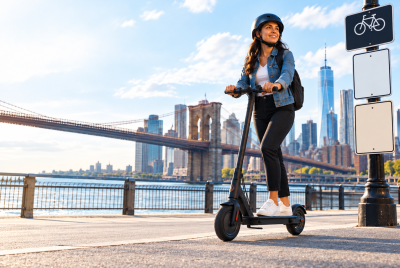
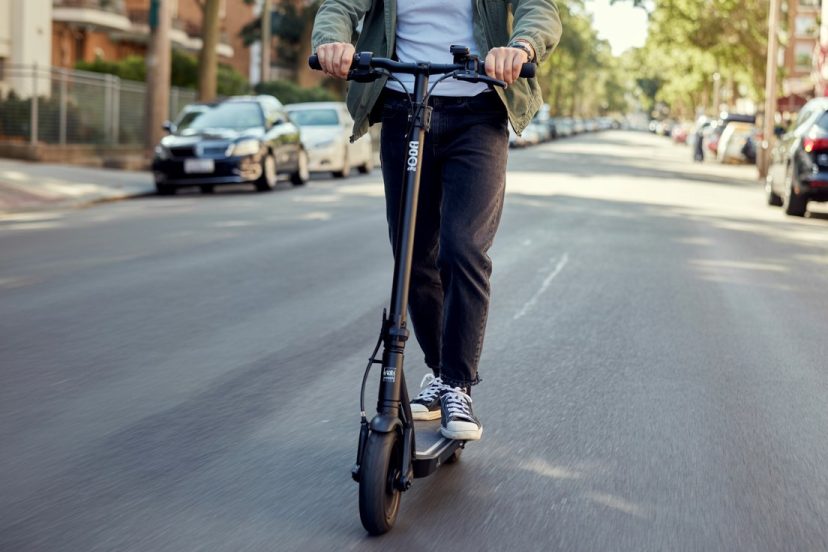
Achieving proper posture on an electric scooter requires attention to several key body positions. Feet should be positioned shoulder-width apart with one foot slightly ahead for stability. This staggered stance allows better weight distribution and balance adjustments. Avoid placing feet too close together or excessively wide apart.
Knees should remain slightly bent throughout the ride, never locked straight. This position activates leg muscles to absorb vibrations, maintains shock-absorbing capability, and allows quick weight shifts when navigating turns or obstacles. Rougher surfaces require more knee flex.
The spine should maintain its natural curves rather than being overly straight or hunched. Riders often lean too far forward or backward, straining the lower back. The head should remain level with eyes focused ahead, not down at the deck. Looking down rounds the shoulders and creates neck tension.
Core engagement is crucial yet often neglected. The abdominal and lower back muscles should be gently activated to support the spine and prevent excessive swaying. A strong, engaged core reduces lower back load and improves balance.
Shoulders should be relaxed and drawn slightly back, not hunched forward or elevated. This position promotes better breathing, reduces trapezius tension, and allows effective steering movement.
Arms should maintain a slight elbow bend, creating a shock-absorbing mechanism between handlebars and shoulders. Locked elbows transmit vibrations directly into shoulder joints and upper spine. The handlebar grip should be firm but relaxed. Excessive grip pressure causes forearm fatigue, restricts blood flow, and can lead to handlebar palsy.
Handlebar Height and Position
Handlebar height is one of the most critical ergonomic factors in scooter riding. Handlebars set too low force riders to hunch forward, rounding the spine and creating tension in the neck and shoulders. Conversely, handlebars positioned too high cause riders to reach upward, elevating the shoulders and straining the upper trapezius muscles.
The ideal handlebar height typically falls between the rider’s waist and hip level when standing naturally upright. This positioning allows the arms to rest comfortably with a slight bend at the elbows while maintaining an upright spine. However, individual preferences may vary based on torso length, arm length, and riding style. Commuters who prioritize comfort might prefer slightly higher handlebars, while those seeking a sportier riding position might opt for lower placement.
Many modern electric scooters feature adjustable stems that accommodate riders of different heights. When adjusting handlebar height, riders should stand on the deck in their natural riding stance and check that they can grip the handlebars without raising their shoulders, hunching forward, or locking their elbows. The adjustment should feel natural and require no conscious effort to maintain.
Deck Design and Foot Placement
The scooter deck serves as the foundation for the entire riding posture. Deck dimensions, including width, length, and height from the ground, all influence ergonomic comfort. A wider deck provides more space for foot placement options and natural stance width, while a narrower deck may force feet closer together than comfortable.
Deck length becomes particularly important for taller riders or those who prefer a more dynamic riding stance. Sufficient length allows riders to position their feet in a comfortable staggered stance and shift foot position during longer rides to prevent fatigue. Short decks limit stance options and can feel cramped, forcing riders into awkward positions.
Deck height affects the rider’s center of gravity and leg comfort. Lower decks typically provide better stability and require less effort to mount and dismount, but may be more susceptible to striking obstacles. Higher decks offer better ground clearance but can feel less stable and require more leg extension to reach the ground when stopped.
The deck surface itself impacts comfort and posture. Textured or grippy surfaces provide secure footing and allow riders to relax their foot muscles rather than constantly engaging them for grip. Smooth decks may require more conscious foot pressure to maintain position, leading to faster fatigue in the foot and calf muscles.
Managing Vibration and Road Shock
Vibration exposure represents one of the most significant ergonomic challenges in electric scooter riding. Continuous vibration transmitted through the deck and handlebars can lead to hand-arm vibration syndrome, lower back pain, and general fatigue. The frequency and amplitude of vibrations depend on wheel size, tire type, suspension systems, and road surface conditions.
Larger wheels roll over obstacles more smoothly and generate less high-frequency vibration than smaller wheels. Pneumatic (air-filled) tires provide superior shock absorption compared to solid tires, significantly reducing the vibration transmitted to the rider’s body. Honeycomb or foam-filled tires offer a middle ground, providing better shock absorption than solid tires while eliminating the risk of flats.
Suspension systems dramatically improve ergonomic comfort by isolating the rider from road imperfections. Front suspension absorbs impacts that would otherwise travel through the handlebars into the hands, wrists, and shoulders. Rear suspension reduces deck vibration, protecting the feet, legs, and spine. Dual suspension systems provide comprehensive vibration dampening for the most comfortable riding experience.
Riders can supplement scooter-based vibration control with personal techniques. Maintaining bent knees allows the legs to act as biological suspension, absorbing shocks before they reach the spine. Avoiding a death grip on the handlebars reduces vibration transmission to the hands and arms. Periodically shifting weight and changing hand position prevents any single body area from bearing prolonged vibration exposure.
Dynamic Posture and Movement
Static posture, even when technically correct, becomes uncomfortable during extended rides. The human body is designed for movement, not prolonged static positions. Riders should incorporate dynamic posture adjustments throughout their journey to prevent muscle fatigue and maintain circulation.
Shifting weight between feet every few minutes prevents one leg from bearing disproportionate load and maintains blood flow to both legs. Alternating the forward foot in a staggered stance distributes stress differently across the hip flexors and knee joints. Occasional subtle knee bends and straightening exercises the leg muscles and prevents joints from becoming stiff.
Hand position changes reduce the risk of nerve compression and muscle fatigue in the hands and forearms. Moving hands slightly forward or backward on the grips, adjusting grip width, or temporarily relaxing the grip on one hand while maintaining control with the other all contribute to upper body comfort. During stops or slow riding, riders can roll their shoulders, gently stretch their neck, or briefly shake out their hands to release accumulated tension.
Environmental and Situational Factors
External conditions significantly influence optimal riding posture. Cold weather causes muscles to tense and restricts joint flexibility, making proper posture more difficult to maintain. Riders should dress appropriately to keep muscles warm and flexible. Wind resistance affects body position, with riders naturally leaning forward in headwinds or standing more upright in tailwinds. Being conscious of these automatic adjustments helps maintain overall postural balance.
Terrain variations require different postural approaches. Smooth pavement allows for a more relaxed, upright position, while rough or uneven surfaces demand greater knee bend and core engagement. Uphill riding typically involves leaning slightly forward to maintain balance over the center of the deck, while downhill riding may require a more neutral or slightly rearward position.
Traffic conditions and riding speed also influence posture. Higher speeds and complex traffic situations increase mental stress, which often manifests as physical tension in the shoulders and grip. Being aware of this stress-tension connection allows riders to consciously relax tense muscles even while maintaining alertness.
Equipment Modifications for Improved Ergonomics
Beyond selecting an ergonomically designed scooter, riders can make modifications to optimize their specific setup. Aftermarket handlebar grips with ergonomic designs can significantly improve hand comfort. Grips with palm support surfaces, vibration-dampening materials, or anatomically shaped profiles reduce pressure points and improve circulation to the hands.
Handlebar extenders or adjustable stem kits allow riders to fine-tune handlebar height and position beyond the scooter’s standard adjustment range. These modifications are particularly valuable for riders whose body proportions fall outside average dimensions.
Deck grip tape or traction pads improve foot security and allow for more relaxed foot positioning. Some riders add thin cushioning materials beneath grip tape to provide additional vibration dampening, though this should be done carefully to avoid creating an unstable riding surface.
Shock-absorbing insoles in riding shoes can provide an additional layer of vibration protection for the feet and lower legs. These insoles are particularly beneficial for riders using scooters without rear suspension or those regularly riding on rough surfaces.
Long-Term Health Considerations
The cumulative effects of poor scooter ergonomics may not manifest immediately but can develop into chronic conditions over months or years of regular riding. Repetitive strain injuries affect tendons, muscles, and nerves subjected to prolonged stress or repetitive movements. Common areas affected include the wrists, elbows, shoulders, and lower back.
Carpal tunnel syndrome can develop from prolonged pressure on the median nerve in the wrist, often exacerbated by poor handlebar grip or excessive vibration. Tennis elbow results from repetitive stress on the forearm tendons, sometimes caused by locked elbows and tight handlebar grips. Thoracic outlet syndrome involves compression of nerves and blood vessels between the neck and shoulder, often resulting from hunched shoulders and forward head posture.
Lower back pain represents one of the most common complaints among frequent scooter riders. The standing position, combined with road vibrations and poor core engagement, places significant stress on the lumbar spine. Over time, this can lead to muscle imbalances, disc compression, and chronic pain conditions.
Prevention through proper ergonomics is far more effective than treating established conditions. Riders who commute daily should view scooter ergonomics as seriously as office ergonomics, making adjustments and practicing good posture as standard practice rather than afterthoughts.
Building Strength and Flexibility
Good ergonomics extends beyond the ride itself. Riders who develop strong core muscles, flexible hip flexors, and stable ankle and knee joints will find maintaining proper scooter posture significantly easier. A basic strength and flexibility routine can dramatically improve riding comfort and reduce injury risk.
Core strengthening exercises like planks, bird dogs, and dead bugs build the abdominal and lower back strength necessary for prolonged standing balance. Hip flexor stretches counteract the hip tightness that develops from standing in a static position. Calf and ankle strengthening exercises improve the leg’s shock-absorbing capability and stability.
Upper body work shouldn’t be neglected. Shoulder blade squeezes and external rotation exercises strengthen the postural muscles that keep shoulders back and down. Wrist flexibility exercises and forearm strengthening help prevent overuse injuries in the hands and arms. Even five to ten minutes of targeted exercise several times per week can yield noticeable improvements in riding comfort and endurance.
Recognizing Warning Signs
Riders should pay attention to their bodies and recognize early warning signs of ergonomic problems. Persistent hand tingling or numbness may indicate nerve compression from vibration exposure or improper grip. Shoulder or neck pain that worsens during or after rides suggests postural issues with handlebar height or shoulder position. Lower back discomfort points to potential core weakness, improper weight distribution, or inadequate vibration dampening.
Foot pain or numbness can result from poor deck ergonomics, inadequate footwear, or restricted blood flow from static standing. Knee pain might indicate excessive knee locking or improper foot positioning on the deck. These symptoms shouldn’t be ignored or dismissed as normal riding experiences. Early intervention through postural correction, equipment adjustment, or professional consultation can prevent minor discomfort from becoming chronic conditions.
Creating an Ergonomic Riding Routine
Developing conscious ergonomic habits transforms good posture from an occasional consideration to an automatic practice. Before each ride, riders should take a moment to adjust their scooter setup, particularly if others have used it or if carrying a backpack or other load that affects weight distribution. During the ride, periodic body scans help identify and release accumulated tension. After rides, gentle stretching addresses muscles that worked hardest during the journey.
For commuters using scooters daily, treating the pre-ride setup like an athlete’s warm-up routine reinforces good habits. Checking handlebar tightness, ensuring proper tire pressure, and consciously adopting good posture before starting movement all contribute to safer, more comfortable riding experiences.
Conclusion
Electric scooter ergonomics represents an essential yet often overlooked aspect of micromobility. As these devices become increasingly central to urban transportation, understanding and implementing proper posture and ergonomic principles grows more important. The standing position, continuous vibration exposure, and unique biomechanical demands of scooter riding create specific challenges that require thoughtful attention.
Proper ergonomics begins with selecting a scooter designed with human factors in mind, continues with correct setup and positioning, and extends to developing conscious riding habits and supporting physical conditioning. Riders who invest time in understanding their body’s relationship with their scooter, make appropriate adjustments, and maintain awareness of posture throughout their rides will experience significantly greater comfort, reduced injury risk, and enhanced enjoyment of this efficient transportation mode.
The relatively small effort required to optimize scooter ergonomics yields substantial returns in daily comfort and long-term health. Whether commuting a few blocks or covering miles of urban terrain, every rider can benefit from applying ergonomic principles to their electric scooter experience. The future of urban mobility depends not just on technological innovation but on ensuring these innovations work harmoniously with human physiology.
Frequently Asked Questions
What is the ideal handlebar height for electric scooter ergonomics?
The ideal handlebar height typically falls between waist and hip level when the rider stands naturally upright on the deck. This positioning allows the arms to maintain a slight bend at the elbows while keeping the spine in a neutral position. However, individual variations in torso and arm length mean riders should adjust based on personal comfort, ensuring they can grip the handlebars without raising shoulders, hunching forward, or locking elbows.
How can riders prevent hand numbness during longer scooter rides?
Hand numbness typically results from excessive grip pressure, prolonged vibration exposure, or nerve compression in the wrists. Prevention strategies include maintaining a relaxed grip on the handlebars, periodically changing hand position, selecting scooters with vibration-dampening features like suspension and pneumatic tires, using ergonomic handlebar grips, and taking breaks on longer rides to shake out hands and restore circulation.
Should riders keep their knees bent or straight while riding an electric scooter?
Riders should maintain slightly bent knees throughout their ride, never fully locking the knee joints. Bent knees allow the leg muscles to absorb road vibrations and impacts rather than transmitting them directly to the spine. The degree of bend will vary based on terrain, with rougher surfaces requiring more knee flex to accommodate bumps and maintain stability.
How does deck size affect riding posture and comfort?
Deck size significantly influences stance options and overall comfort. Wider decks allow for more natural foot spacing at shoulder-width, reducing leg fatigue and improving stability. Longer decks accommodate taller riders and enable comfortable staggered foot positioning with room to shift stance during rides. Insufficient deck size forces riders into cramped positions that accelerate fatigue and limit the ability to make postural adjustments.
What are the signs that a scooter’s ergonomics are causing physical problems?
Warning signs include persistent hand tingling or numbness, shoulder or neck pain that worsens during rides, lower back discomfort, knee pain, or foot numbness. These symptoms indicate potential issues with handlebar height, grip pressure, vibration exposure, core engagement, or stance positioning. Early recognition and correction through equipment adjustment, posture modification, or professional consultation can prevent temporary discomfort from developing into chronic conditions.