Electric Scooter Yearly Maintenance

*We may earn a commission for purchases made using our links. Please see our disclosure to learn more.
Electric scooters have revolutionized urban transportation, offering an eco-friendly and convenient alternative to traditional vehicles. As these sleek machines become increasingly popular for daily commutes and leisure rides, understanding proper maintenance practices has become essential for riders who want to maximize their investment and ensure safe operation. While daily and monthly upkeep routines are important, an annual comprehensive maintenance schedule serves as the cornerstone for long-term performance and reliability.
The importance of yearly maintenance cannot be overstated. Just as automobiles require regular servicing to maintain optimal performance, electric scooters demand periodic attention to keep them running smoothly. Annual maintenance goes beyond routine cleaning and tire inflation, delving into critical components that affect safety, efficiency, and longevity. This comprehensive approach helps identify potential issues before they escalate into costly repairs or dangerous malfunctions.
“Regular maintenance is the difference between a scooter that lasts two years and one that provides reliable service for five or more. The small investment in annual servicing pays dividends in longevity and performance.”
– Consumer Electronics Maintenance Association
Key Takeaways
- Annual professional inspection is crucial for identifying hidden wear and tear in critical components
- Battery health checks and proper storage practices can extend battery life by up to 40%
- Brake system evaluation and adjustment should be performed yearly to maintain stopping power
- Tire replacement timing depends on usage patterns, with most riders needing new tires every 12-18 months
- Electrical connections require annual cleaning and inspection to prevent performance degradation
- Proper lubrication of moving parts reduces friction and extends component lifespan
- Firmware updates often include important safety features and performance improvements
- Documentation of maintenance history helps track patterns and predict future service needs
Understanding the Annual Maintenance Cycle
Electric scooters operate in diverse conditions, from smooth city streets to rougher suburban paths, and each environment takes its toll on various components. The annual maintenance cycle provides a structured approach to addressing accumulated wear and tear that might not be immediately visible during regular use. This systematic evaluation ensures that every critical system receives appropriate attention at the right intervals.
The concept of preventive maintenance forms the foundation of any effective yearly service routine. Rather than waiting for components to fail, which often happens at the most inconvenient times, scheduled annual maintenance allows riders to address issues proactively. This approach not only enhances safety but also proves more economical in the long run, as early intervention typically costs less than emergency repairs or component replacement after catastrophic failure.
Battery System Evaluation
The battery represents the heart of any electric scooter, and its health directly impacts range, performance, and overall reliability. Annual battery assessment should include capacity testing to determine how much charge the battery can hold compared to its original specifications. Most lithium-ion batteries experience gradual capacity degradation over time, typically losing 10-20% of their capacity within the first few years of use.
During yearly maintenance, battery terminals and connections should be thoroughly inspected for corrosion, which can impede power delivery and create resistance in the electrical system. Cleaning these connections with appropriate solutions ensures optimal conductivity. Additionally, the battery management system requires evaluation to verify that it accurately monitors charge levels and prevents overcharging or deep discharge cycles that can damage cells.
Storage practices significantly influence battery longevity. Annual maintenance provides an opportunity to review and adjust storage protocols, especially for riders in regions with distinct seasons who might store their scooters during winter months. Batteries stored at approximately 50-60% charge in cool, dry environments maintain health better than those left fully charged or depleted for extended periods.
Brake System Inspection and Service
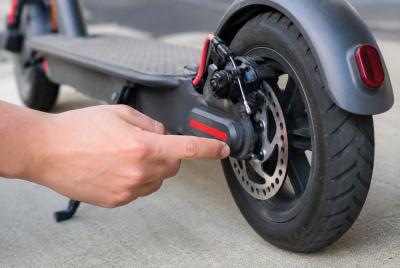
Brake performance stands as perhaps the most critical safety feature of any electric scooter. Annual brake system evaluation should encompass both mechanical inspection and functional testing. For scooters equipped with disc brakes, this includes measuring brake pad thickness, examining rotor condition for warping or scoring, and checking caliper alignment. Worn brake pads should be replaced before they reach minimum thickness specifications to prevent damage to rotors and maintain stopping power.
Hydraulic brake systems require additional attention during yearly service. Brake fluid levels need verification, and the fluid itself may require replacement if it shows signs of contamination or moisture absorption. Air in hydraulic lines compromises braking efficiency, so bleeding the brake system may be necessary to restore optimal performance. Cable-actuated brakes demand inspection of cable housing for fraying, rust, or damage, with cable tension adjusted to ensure responsive braking without excessive lever travel.
Electronic regenerative braking systems, common in many modern electric scooters, require diagnostic testing to confirm proper function. These systems not only assist with stopping but also help recharge the battery during deceleration. Annual software checks ensure that regenerative braking calibration remains within manufacturer specifications, providing consistent and predictable stopping assistance.
Tire Inspection and Replacement
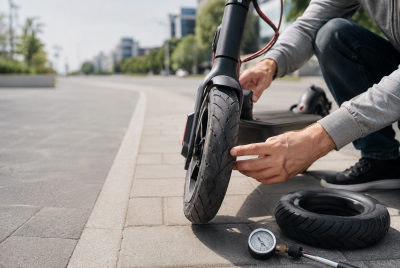
Tires serve as the sole point of contact between the scooter and the road surface, making their condition paramount for safe operation. Annual inspection should include careful examination of tread depth, using the penny test or tread depth gauge to ensure adequate remaining tread for proper traction. Uneven wear patterns can indicate alignment issues, incorrect inflation practices, or suspension problems that require attention.
For pneumatic tires, checking for sidewall cracks, bulges, or other signs of deterioration is essential. Rubber compounds degrade over time due to UV exposure and oxidation, even when tread depth appears adequate. Solid or airless tires should be inspected for chunks missing from the riding surface, excessive hardening, or separation from the rim. While these tires eliminate puncture concerns, they still require replacement when wear compromises ride quality or safety.
Tire pressure significantly affects ride comfort, handling, and range. During annual maintenance, establishing proper pressure baselines according to rider weight and typical usage conditions optimizes performance. Many riders operate scooters with incorrect tire pressure year-round, sacrificing efficiency and component longevity. Proper inflation reduces rolling resistance, extending both tire life and battery range per charge.
Electrical System and Wiring Review
The electrical system encompasses numerous components beyond the battery, including controllers, displays, lighting systems, and the motor itself. Annual inspection of wiring harnesses helps identify chafing, where cables rub against the frame or other components, potentially exposing conductors and creating short circuit risks. Securing loose wiring with appropriate ties or clips prevents damage and maintains system integrity.
Connector inspection forms a crucial part of electrical system maintenance. Many scooter manufacturers use weather-resistant connectors, but these still require periodic examination for corrosion, especially in humid climates or for scooters frequently used in wet conditions. Applying dielectric grease to electrical connections during annual service provides additional moisture protection and ensures reliable contact.
The motor deserves special attention during yearly maintenance. While most electric scooter motors are sealed and maintenance-free, external inspection can reveal bearing wear through unusual noise or resistance when spinning the wheel manually. Checking motor mounting bolts for proper torque prevents loosening that could lead to vibration, noise, or eventual failure. Some motors feature replaceable bearings that may require service at specific intervals depending on usage intensity.
Structural and Mechanical Components
The scooter frame and mechanical components endure significant stress during regular operation, particularly from impacts, vibrations, and environmental exposure. Annual inspection should include thorough examination of the frame for cracks, especially around weld points and high-stress areas like the steering column junction and folding mechanism. Small cracks can propagate over time, potentially leading to catastrophic structural failure if left unaddressed.
Folding mechanisms require particular attention during yearly service. These components enable portability but introduce mechanical complexity and potential weak points. Inspecting locking mechanisms for wear, ensuring smooth operation, and proper lubrication of pivot points maintains safe folding functionality. Loose or worn folding mechanisms compromise both portability and structural integrity during riding.
Suspension systems, whether spring-based or hydraulic, benefit from annual evaluation. Checking for oil leaks in hydraulic systems, testing spring compression characteristics, and examining mounting bushings for deterioration ensures continued shock absorption effectiveness. Worn suspension components not only reduce ride comfort but also increase stress on other scooter parts, potentially accelerating overall wear.
Fastener Inspection and Torque Verification
Vibration from riding gradually loosens fasteners throughout the scooter’s structure. Annual maintenance should include systematic inspection and retightening of all accessible bolts and screws to manufacturer specifications. Using a torque wrench ensures proper tightening without over-stressing threads or stripping fasteners. Critical areas include handlebar clamp bolts, wheel axle nuts, brake mount bolts, and motor mounting hardware.
Threadlocker compounds help maintain fastener security in high-vibration applications. During yearly service, evaluating whether previously applied threadlocker remains effective and reapplying as necessary prevents future loosening. Different threadlocker strengths suit various applications, with removable-strength compounds appropriate for fasteners requiring periodic adjustment and permanent-strength versions reserved for components rarely disassembled.
Bearing and Bushing Maintenance
Bearings throughout the scooter enable smooth rotation of wheels, steering, and folding mechanisms. Annual bearing inspection includes checking for play or roughness in wheel hubs, steering head, and suspension pivots. While sealed bearings require no routine lubrication, they eventually wear and require replacement. Detecting bearing degradation early prevents damage to surrounding components and maintains ride quality.
Bushing inspection applies primarily to suspension systems and folding mechanisms. These wear items gradually deteriorate through normal use, creating looseness that affects handling precision and structural stability. Replacing worn bushings during annual maintenance restores tight, responsive feel and prevents accelerated wear in mating components.
Lubrication Requirements
Proper lubrication reduces friction, wear, and noise in mechanical components while providing corrosion protection. Annual maintenance presents the ideal opportunity for comprehensive lubrication of all moving parts. The steering head bearing typically requires grease application to maintain smooth turning action. Folding mechanism pivots benefit from appropriate lubricants that provide both motion facilitation and corrosion resistance.
Chain-drive scooters require particular attention to drive chain condition and lubrication. Annual service should include chain tension verification, sprocket wear inspection, and thorough cleaning followed by fresh lubricant application. Belt-drive systems require less frequent attention but still benefit from annual inspection for cracking, fraying, or improper tension. Direct-drive hub motors eliminate these maintenance requirements entirely, though they introduce other considerations.
Display and Control System Verification
The display and control interface provides essential information about speed, battery status, and various settings. Annual maintenance should include cleaning the display screen and verifying all indicators function properly. Testing buttons, triggers, and throttle response ensures consistent control system performance. Many displays offer diagnostic modes that provide detailed system information useful during comprehensive yearly service.
Throttle mechanism inspection includes checking for smooth operation throughout the entire range of motion, with no sticking or dead spots. The throttle return spring should bring the control reliably back to the neutral position when released. Brake levers require similar evaluation, ensuring smooth actuation and proper return to rest position. Worn or damaged controls compromise both safety and riding pleasure.
Software and Firmware Updates
Modern electric scooters increasingly incorporate sophisticated electronics with updatable software that controls various functions. Annual maintenance provides the perfect opportunity to check for and install any available firmware updates. Manufacturers regularly release updates that improve performance, add features, or address previously identified issues. Some updates enhance battery management algorithms, potentially extending battery life and improving range accuracy.
Connecting the scooter to the manufacturer’s app or update portal allows verification of current software versions and access to available updates. Following proper update procedures prevents installation errors that could affect scooter functionality. Documentation of installed firmware versions helps track update history and troubleshoot any issues that might arise after updates.
Cleaning and Corrosion Prevention
While cleaning might not seem as critical as mechanical inspection, thorough annual deep cleaning serves multiple purposes. Removing accumulated dirt, grime, and salt residue prevents corrosion and allows for more effective inspection of components. Cleaning provides opportunity to examine areas typically hidden by dirt accumulation, potentially revealing issues that might otherwise go unnoticed until they become serious problems.
Protective treatments applied during annual maintenance extend component life and maintain appearance. Applying frame protectant to painted or powder-coated surfaces guards against UV damage and minor scratches. Treating rubber components with appropriate conditioners helps prevent premature cracking and deterioration. Corrosion inhibitors on exposed metal parts provide long-lasting protection, particularly valuable in coastal areas or regions using road salt during winter.
Documentation and Record Keeping
Maintaining detailed records of annual maintenance activities provides valuable information for tracking component lifespan, identifying recurring issues, and establishing patterns that inform future service needs. Documentation should include dates of service, specific work performed, components replaced, and any observations about unusual wear or developing concerns. This information proves particularly valuable when troubleshooting problems or deciding on component replacement timing.
Photographic documentation complements written records, providing visual reference for component condition over time. Comparing photos from successive annual services reveals progression of wear and helps establish when replacement becomes necessary. This approach proves especially useful for tires, brake pads, and other consumable components where gradual degradation occurs over extended periods.
Cost Considerations and Value Analysis
Annual maintenance represents an investment in scooter longevity and reliability. While professional service carries associated costs, the expense typically proves modest compared to premature component replacement or accident-related repairs resulting from neglected maintenance. Many riders choose to perform portions of annual maintenance themselves, reducing costs while gaining deeper understanding of their scooter’s mechanical systems.
Evaluating whether to perform maintenance personally or use professional services depends on several factors, including mechanical aptitude, available tools, time constraints, and warranty considerations. Some maintenance tasks require specialized equipment or expertise beyond most riders’ capabilities, making professional service the practical choice. Other tasks prove straightforward enough for anyone with basic mechanical skills and appropriate guidance.
Seasonal Considerations
Riders in regions with distinct seasons face unique maintenance challenges and opportunities. Annual maintenance timing can align with seasonal transitions, such as performing comprehensive service before storing a scooter for winter or preparing it for increased summer usage. Seasonal maintenance adaptations might include special attention to bearing lubrication in cold climates or enhanced corrosion prevention in humid regions.
Winter storage requires specific preparation steps to ensure the scooter emerges ready for spring riding. This includes thorough cleaning to remove corrosive substances, proper battery storage procedures, and protecting vulnerable components from moisture and temperature extremes. Annual maintenance performed before winter storage addresses any issues developed during the previous riding season, preventing minor problems from worsening during storage.
Safety Systems Check
Beyond brakes, electric scooters incorporate various safety features that require annual verification. Lighting systems, including headlights, taillights, and turn signals where equipped, should be tested for proper function and adequate brightness. Reflectors require inspection to ensure they remain securely mounted and maintain reflective properties. Horn or bell functionality, while often overlooked, provides important warning capability in emergency situations.
Kickstand inspection confirms secure mounting and proper spring tension for reliable deployment and retraction. A failing kickstand poses both functional inconvenience and potential safety risk if the scooter falls unexpectedly. Testing the kickstand safety cutoff switch, which prevents motor activation while deployed, ensures this safety feature functions as designed.
Performance Testing and Baseline Establishment
Annual maintenance provides opportunity for systematic performance testing that establishes baselines for future comparison. Range testing under controlled conditions reveals battery capacity degradation over time. Acceleration testing identifies potential motor performance issues. Maximum speed verification confirms the scooter maintains expected performance levels. Documenting these metrics creates reference points for detecting future performance declines that might indicate developing problems.
Handling evaluation during test rides following annual service confirms that all systems function properly together. Testing in a safe environment allows assessment of steering precision, brake responsiveness, and overall ride quality. Any abnormalities discovered during performance testing warrant further investigation before returning the scooter to regular use.
Conclusion
Electric scooter yearly maintenance represents an essential commitment for riders seeking reliable performance, enhanced safety, and extended vehicle lifespan. This comprehensive annual service goes far beyond simple cleaning or minor adjustments, encompassing systematic evaluation of every critical system from battery health to structural integrity. The relatively modest investment of time and resources required for proper annual maintenance yields substantial returns through prevented breakdowns, optimized performance, and peace of mind during every ride.
Establishing a consistent annual maintenance routine transforms scooter ownership from a potentially frustrating experience marked by unexpected failures into a reliable, enjoyable form of transportation. Whether performed personally or entrusted to qualified professionals, yearly maintenance ensures that each component receives appropriate attention at optimal intervals. This proactive approach not only extends the scooter’s useful life but also maintains the value proposition that makes electric scooters such attractive transportation alternatives.
The cumulative effect of neglecting annual maintenance becomes apparent over time, as small issues compound into significant problems requiring expensive repairs or premature replacement. Conversely, riders who prioritize yearly service consistently report higher satisfaction with their scooters’ performance and reliability. The knowledge that critical safety systems have been properly inspected and serviced provides confidence that enhances the riding experience.
As electric scooter technology continues evolving with increasingly sophisticated electronics and more powerful performance capabilities, maintenance requirements will similarly advance. Staying informed about manufacturer recommendations and emerging best practices ensures that maintenance approaches remain appropriate for specific scooter models. The fundamental principle, however, remains constant: regular, thorough annual maintenance constitutes the cornerstone of responsible electric scooter ownership.
Frequently Asked Questions
How much does professional annual maintenance for an electric scooter typically cost?
Professional annual maintenance costs vary considerably based on geographic location, scooter complexity, and specific service provider, but typically range from $75 to $200 for comprehensive service. This generally includes inspection of all major systems, brake adjustment, tire evaluation, battery testing, and minor adjustments. Additional costs may apply if components require replacement, such as brake pads, tires, or worn bearings. Many riders find this investment worthwhile for the thoroughness of professional inspection and the peace of mind it provides.
Can yearly maintenance be performed at home without professional tools?
Many aspects of annual maintenance can be accomplished by riders with basic mechanical skills and common tools including wrenches, screwdrivers, and Allen keys. Tasks like cleaning, visual inspection, fastener tightening, and basic adjustments fall within most people’s capabilities. However, certain procedures such as brake bleeding, bearing replacement, electrical diagnostics, and firmware updates may require specialized tools or expertise. A hybrid approach works well for many riders, performing accessible tasks personally while delegating more complex work to professionals.
What happens if annual maintenance is skipped or delayed?
Skipping yearly maintenance allows minor issues to develop into significant problems that may compromise safety and lead to expensive repairs. Undetected brake wear can result in sudden stopping power loss in critical situations. Neglected electrical connections may cause intermittent failures or complete system shutdown. Deteriorating tires increase accident risk through reduced traction. Battery systems without proper maintenance experience accelerated capacity loss and shortened lifespan. While one missed service might not immediately cause catastrophic failure, cumulative neglect substantially increases breakdown probability and repair costs.
Do electric scooters need more frequent maintenance than once yearly?
Annual comprehensive maintenance should supplement, not replace, more frequent routine care. Most manufacturers recommend monthly basic inspections including tire pressure checks, brake function verification, and general visual examination. High-mileage riders or those operating in demanding conditions may benefit from semi-annual professional service. Daily pre-ride safety checks should verify critical functions like brakes, lights, and steering. Yearly maintenance addresses deeper inspection and service needs that monthly checks don’t cover, making it one component of an overall maintenance program rather than the sole service requirement.
How does riding environment affect annual maintenance needs?
Riding environment significantly influences maintenance requirements and component wear rates. Coastal areas demand enhanced corrosion prevention measures due to salt air exposure. Regions with harsh winters where roads are salted require more frequent cleaning and protective treatments. Riders in dusty or sandy areas need additional attention to bearing seals and electrical connections. Urban environments with smooth pavement prove less demanding than rough roads or off-road use. During annual service, discussing typical riding conditions with service technicians helps identify environment-specific concerns requiring additional attention or more frequent inspection intervals.